.svg)
What Autumn And Winter Bring
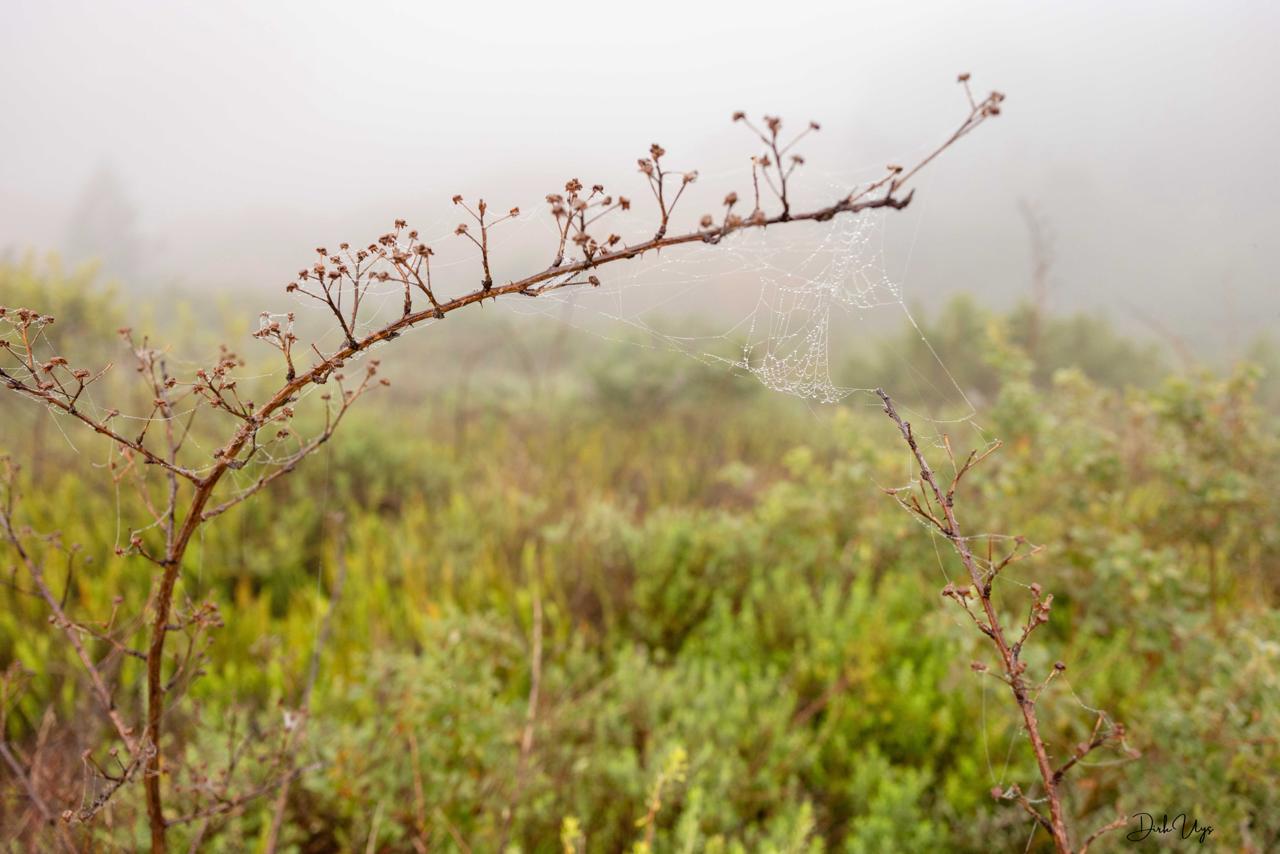
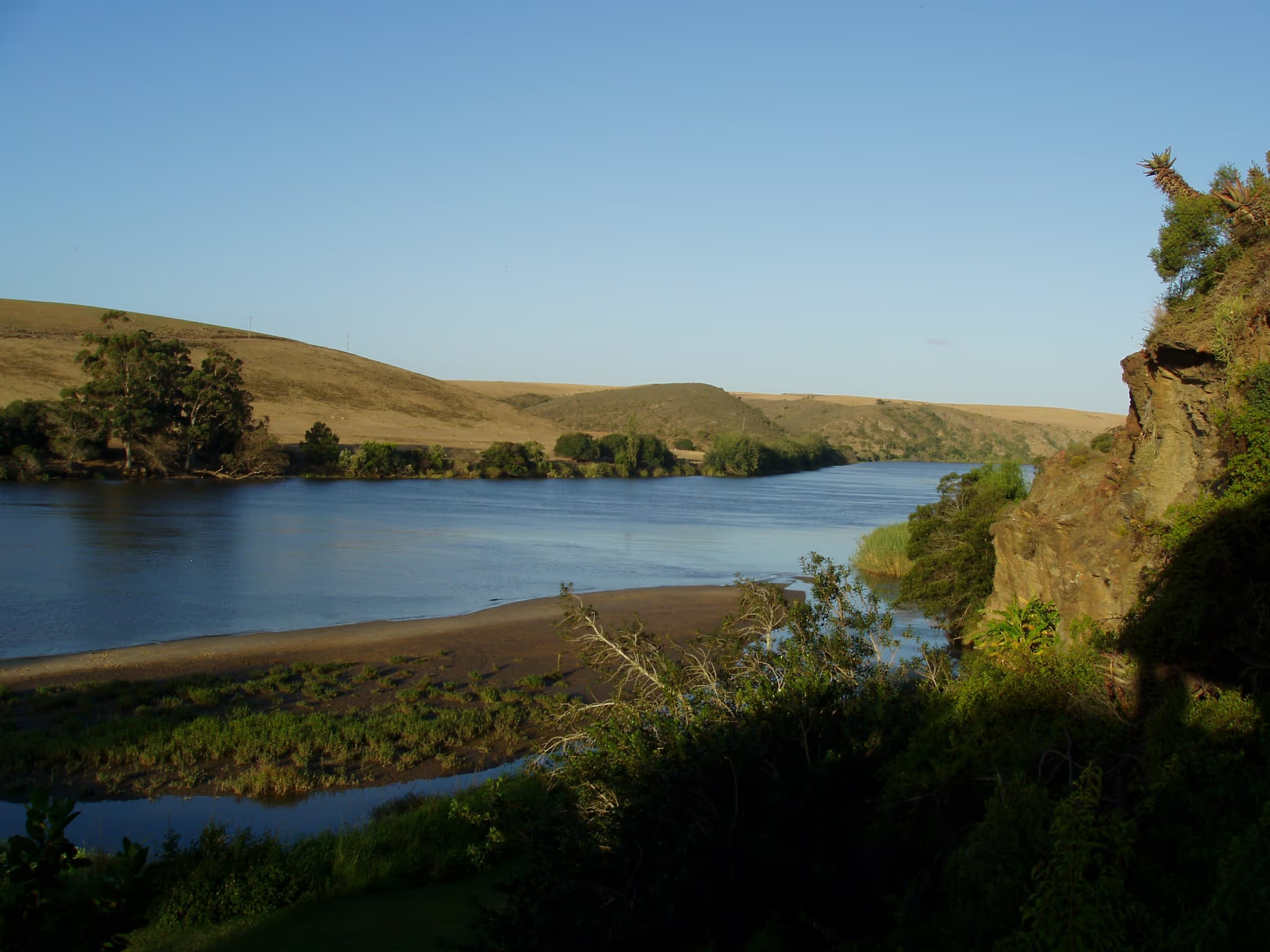
As summer fades and the first cooler days settle over Swellendam, a quiet transformation begins across the landscape. Autumn and winter feel like more than just a change in temperature; they seem to bring a shift in how our ecosystems function, especially in our rivers and the life they support.
Unlike many of South Africa’s summer rainfall regions, the Western Cape appears to follow a different rhythm.
From late autumn into winter, cold fronts from the South Atlantic bring rainfall that gradually replenishes catchments and restores river flow after the dry summer months. As the rains begin to return, rivers seem to rise again, and seasonal streams that were dry or reduced during summer often start flowing.
This natural flushing helps clear accumulated sediment, reconnect habitats, and recharge groundwater systems. At the same time, this period may also bring certain risks.
Heavy rainfall can result in runoff carrying litter, oils, pesticides, and excess nutrients into rivers, and disturbed or cleared areas, particularly where alien vegetation has been removed without careful management, appear more vulnerable to erosion, which can increase sediment in the water and affect aquatic life and ecosystems.
%20(1000%20x%20800%20px)%20(1000%20x%20450%20px)%20(1350%20x%20500%20px)%20(3).avif)
Wildlife Along The Water’s Edge
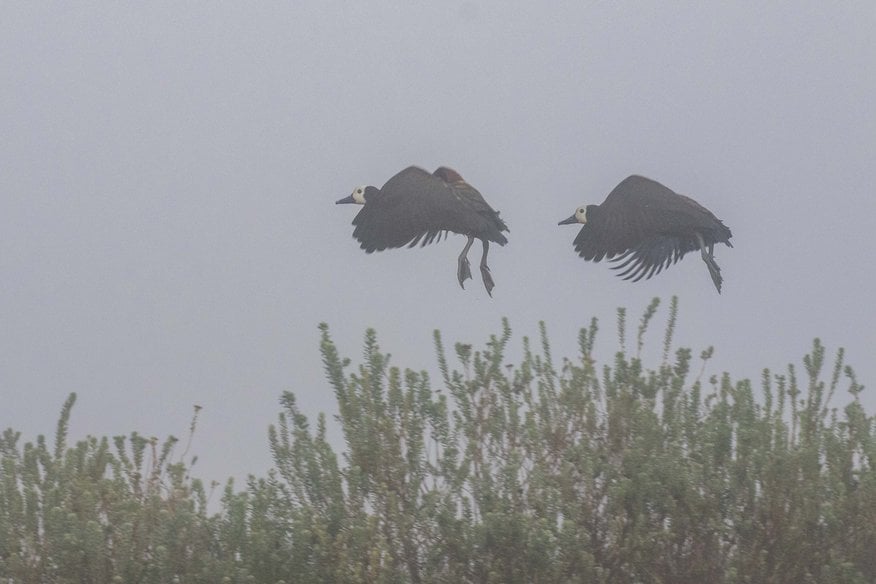
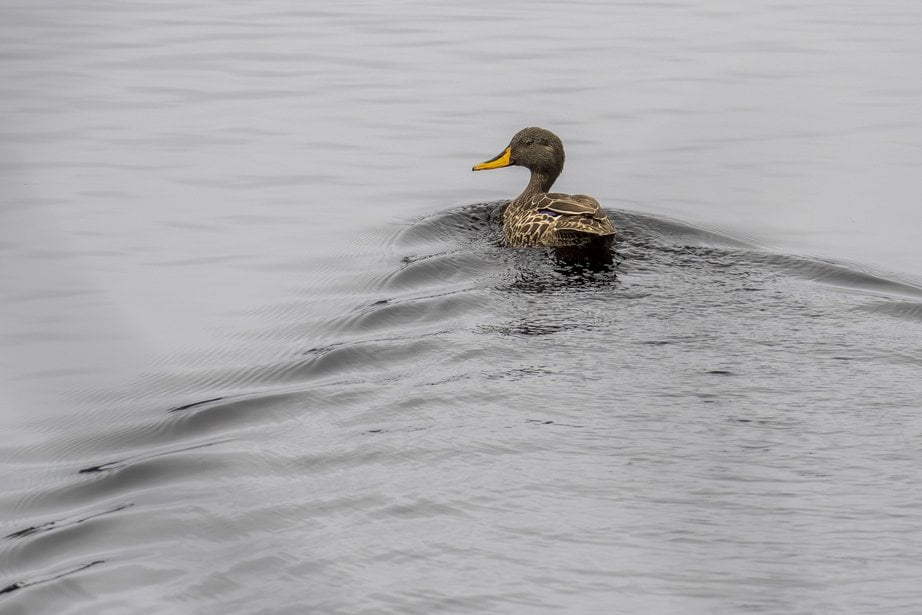
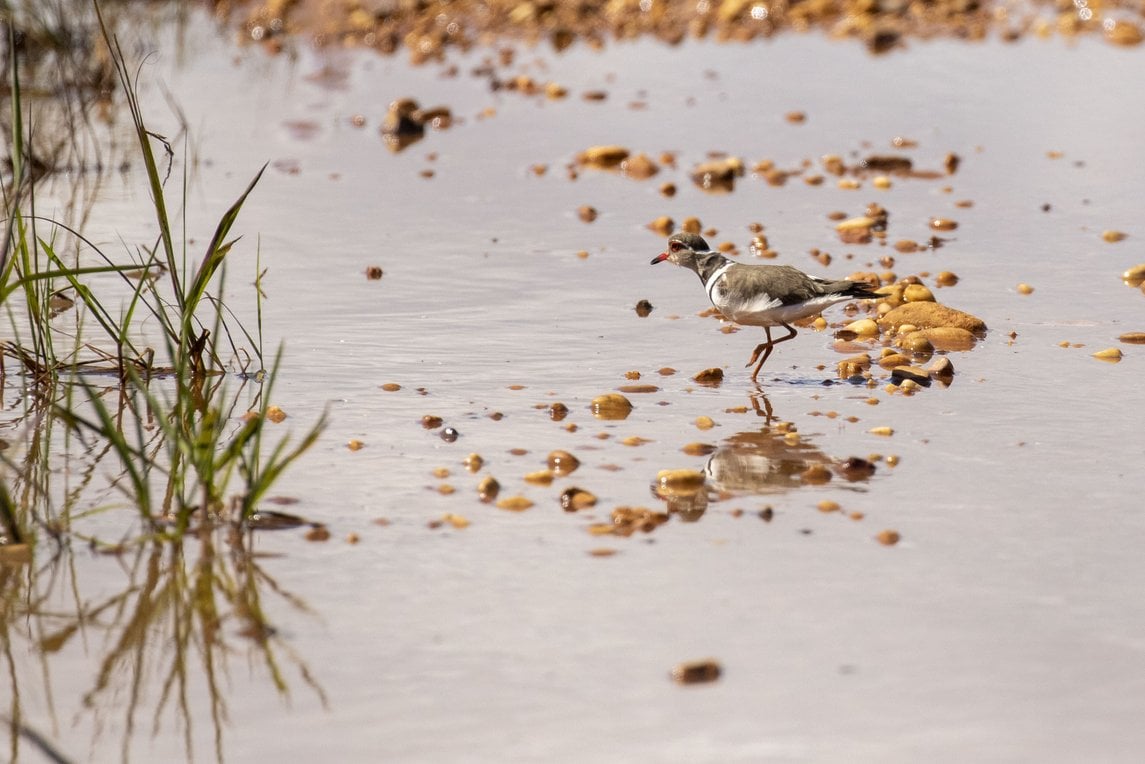
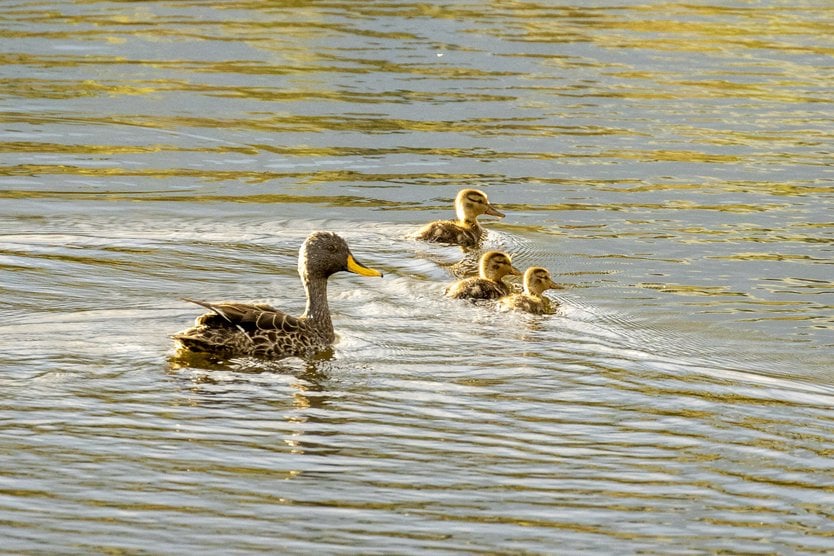
As seasons change, Swellendam becomes more active, supporting a noticeable increase in wildlife activity. Observations logged on iNaturalist in the area show that fuller rivers and improved water availability create ideal feeding conditions. Along these waterways, birdlife becomes especially visible. Birds are drawn to higher water levels, which support more fish, insects, and aquatic life. Amphibians begin breeding, reptiles and small mammals, like the Cape Clawless Otter, become more active near water sources. The Cape Clawless Otter is a recognised indicator species for the health of freshwater and coastal ecosystems (click to read more about the Cape Clawless Otter). These seasonal shifts are important as many species rely on increased water availability for feeding, breeding, and survival during the cooler months.
Fynbos Renewal
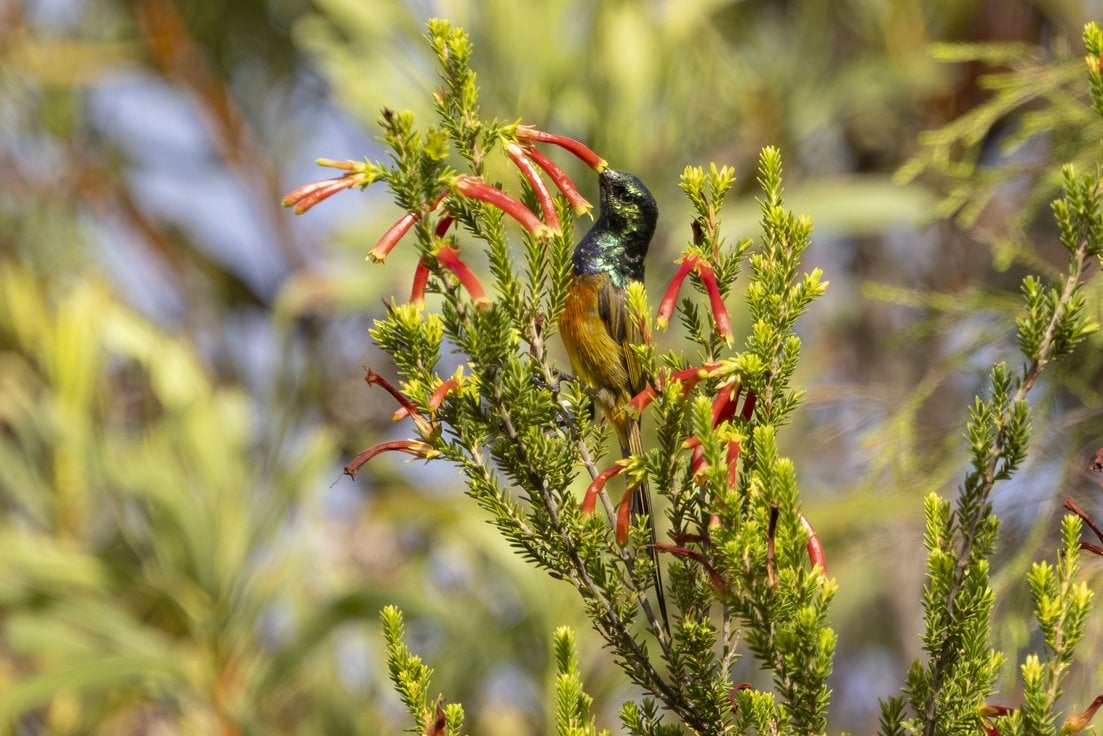
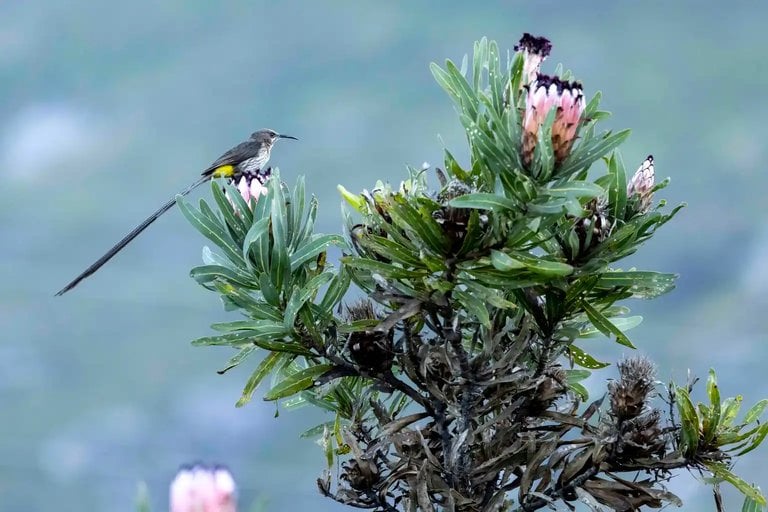
While spring is known for its colour, autumn and winter are when much of the fynbos quietly begins its growth cycle. In vegetation types such as Swellendam Silcrete Fynbos, early seasonal changes are already visible. Observations from iNaturalist show that many bulbs and geophytes begin emerging after the first rains.
Some species prepare for flowering later in winter and early spring. Fynbos ecosystems are finely balanced, and these early seasonal changes are a reminder of how closely plant life is linked to water availability. While this seasonal renewal is essential, it also makes our rivers more vulnerable.
Click the link to view the iNaturalist project: https://www.inaturalist.org/projects/swellendam-silcrete-fynbos
Why Awareness Matters
Rainfall doesn’t just bring water; it also carries whatever is on the land into rivers and streams.
Key risks during this time include:
- litter, illegal dumping, and pollution washed into rivers via stormwater systems;
- chemical runoff from gardens, farms, and roads entering waterways;
- disturbance of riverbanks, leading to erosion and habitat damage; and uncontrolled clearing of vegetation, reducing natural filtration and soil stability.
Even small actions can have far-reaching effects downstream, impacting water quality, wildlife, and ecosystems beyond the immediate area.
What We Can Do
Protecting our rivers is a shared responsibility.
Simple, everyday actions can make a real difference:
- Avoid dumping waste where it can enter stormwater drains;
- Use chemicals (fertilisers, pesticides, cleaning agents) responsibly,
- Especially near waterways;
- Support responsible alien vegetation clearing that protects riverbanks; take part in local clean-up efforts, such as community initiatives; and report pollution, dumping, or environmental damage to the relevant authorities.
As autumn and winter unfold, the rivers of Swellendam come back to life. Water flows again, wildlife returns, and the first signs of fynbos renewal begin beneath the surface. This is where it all starts, the foundation of the biodiversity we value throughout the year. What we do during this time matters.
By reducing our impact, we can protect these fragile systems and ensure they continue to support life well into the future.
.avif)
Article by: Natalie Garlick (SBC Committee member)
Photos by SBC members