.svg)

Urban Wildlife Corridors: Building Bridges for Nature in Swellendam
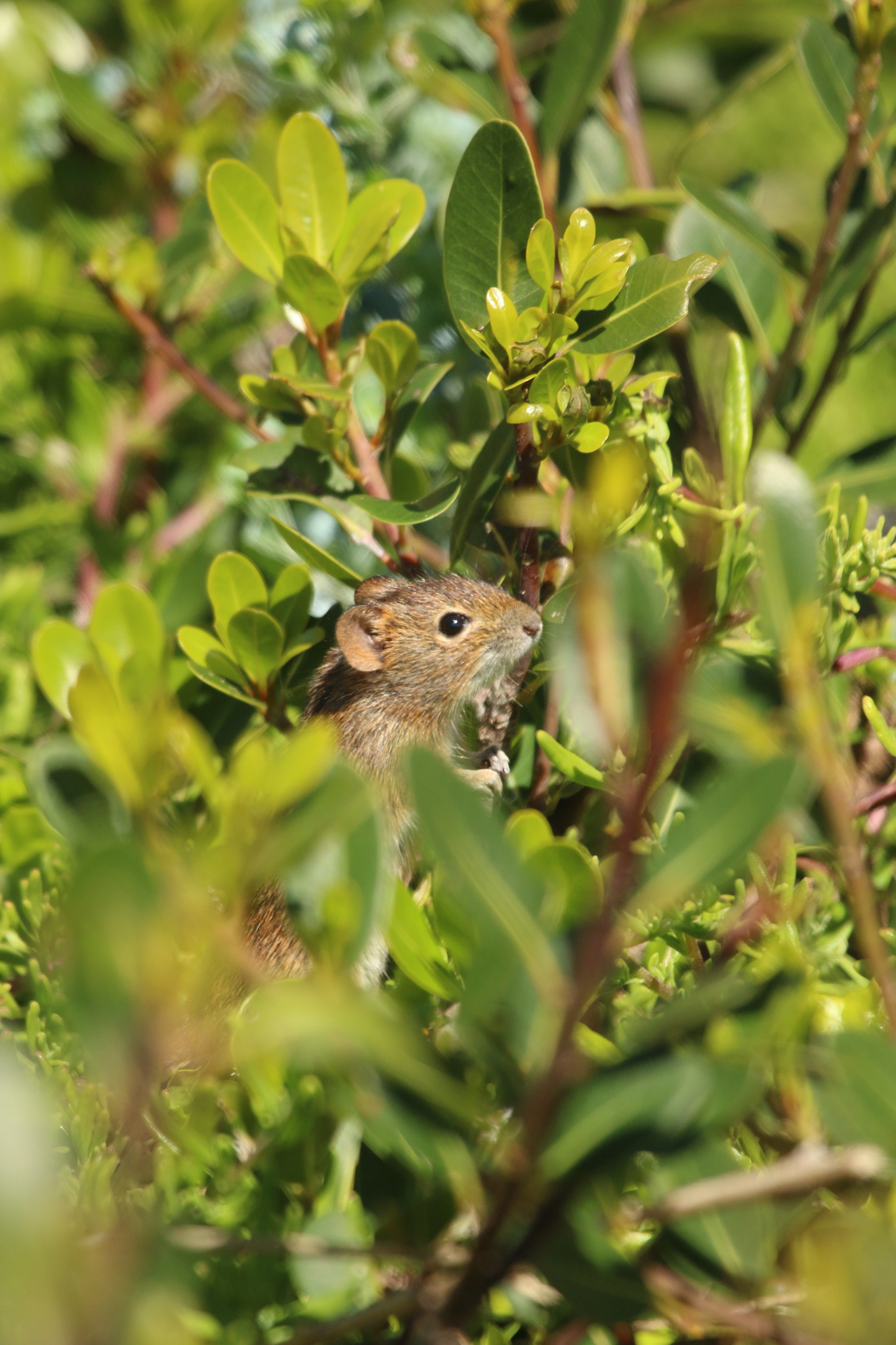
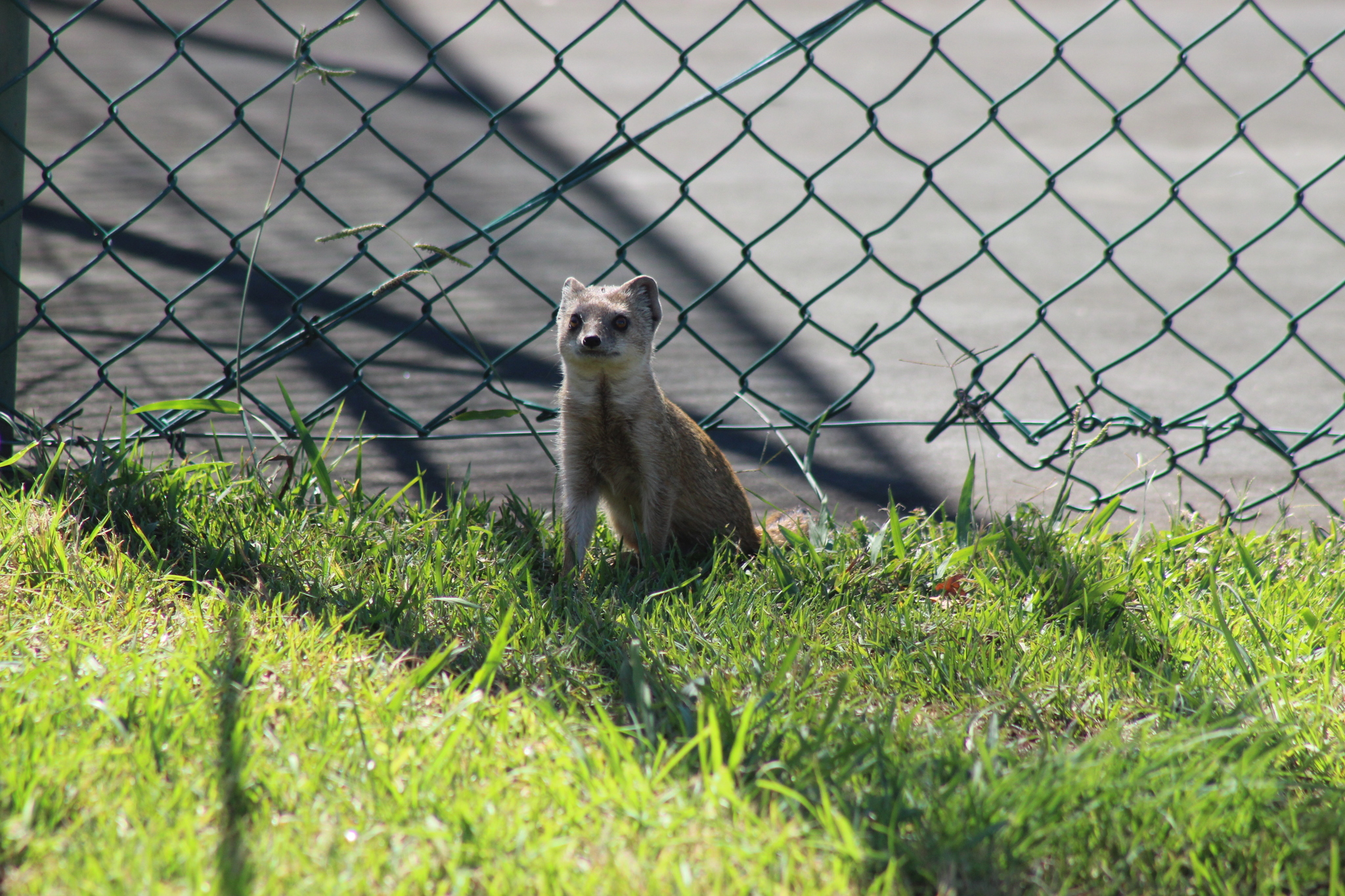
Urbanisation is rapidly expanding across the globe, threatening wildlife living in our towns and cities. Picture this: A small Yellow Mongoose (Cynictis penicillata) darts through the undergrowth after a mouse, and suddenly finds itself stranded on a traffic island in the middle of a busy road. With no safe route, it has no choice but to dash across the traffic, risking being struck by a car as it scrambles for the refuge of the other side. A group of Southern Helmeted Guineafowl (Numida meleagris coronatus) - fittingly called a "confusion" - often ends up in a muddle when confronted with any manner of fencing: adults pace anxiously along the fenceline while spindly chicks thread through gaps unprotected, parents watching helplessly. At last the adults explode into the air in an erratic burst - cack-cackling in frenzied chorus - crossing the barrier and hopefully regrouping their young on the far side. Their natural home has become a series of isolated patches separated by fences, concrete, and tar.
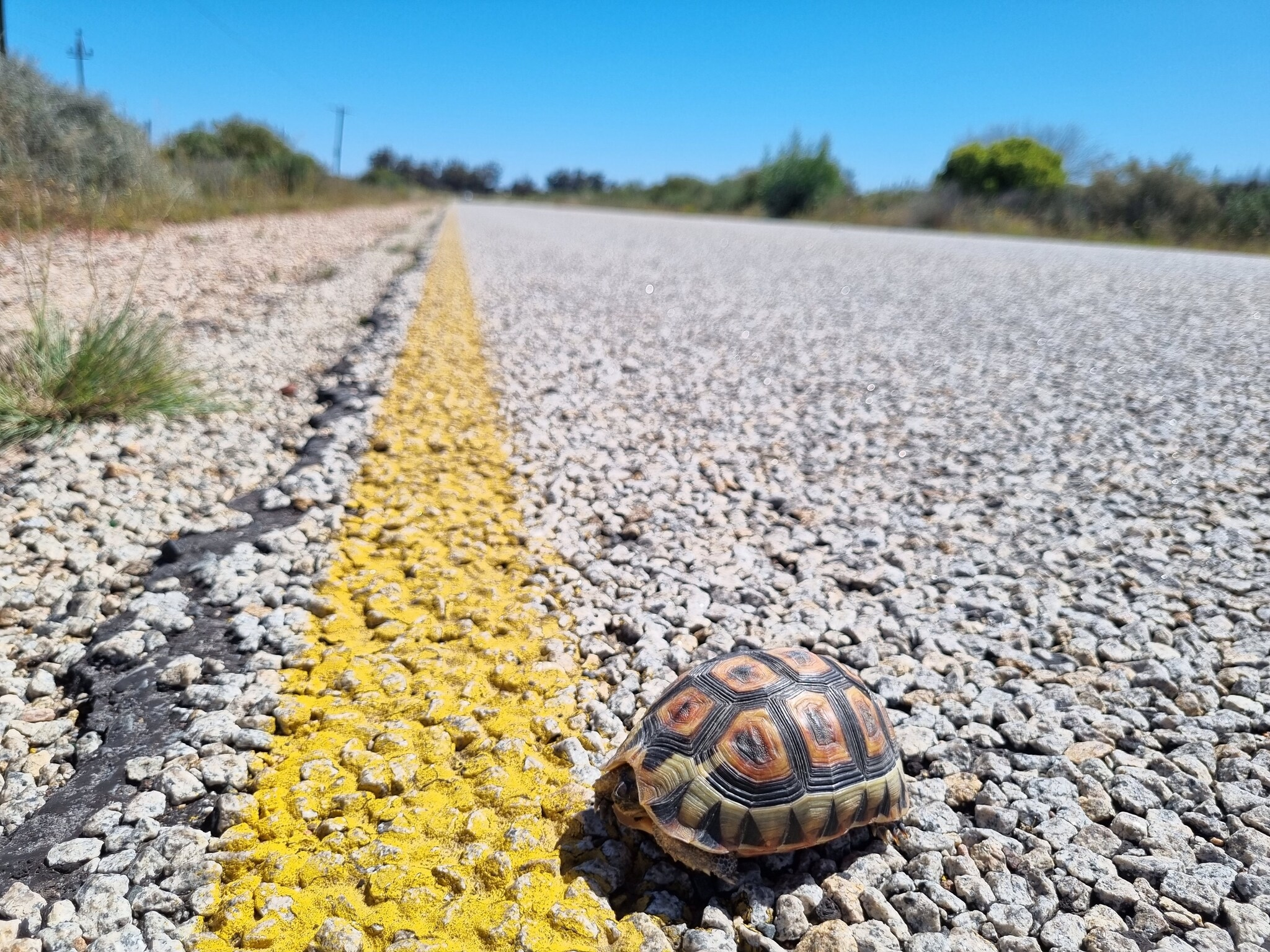
As developments fragment once-continuous landscapes, species face isolation, reduced genetic diversity, and increased mortality from vehicle collisions and other human interactions. But there is hope. Urban wildlife corridors offer a powerful solution to reconnect these fragmented habitats, allowing wildlife to move safely and maintain healthy populations. For Swellendam, creating and protecting these corridors is essential for preserving our area's remarkable biodiversity, from the iconic little Angulate Tortoise (Chersina angulata) to over 200 bird species and countless endemic plant species. It is essential that we explore what urban wildlife corridors are, understand why they matter for our community, and discover how we can help create them.
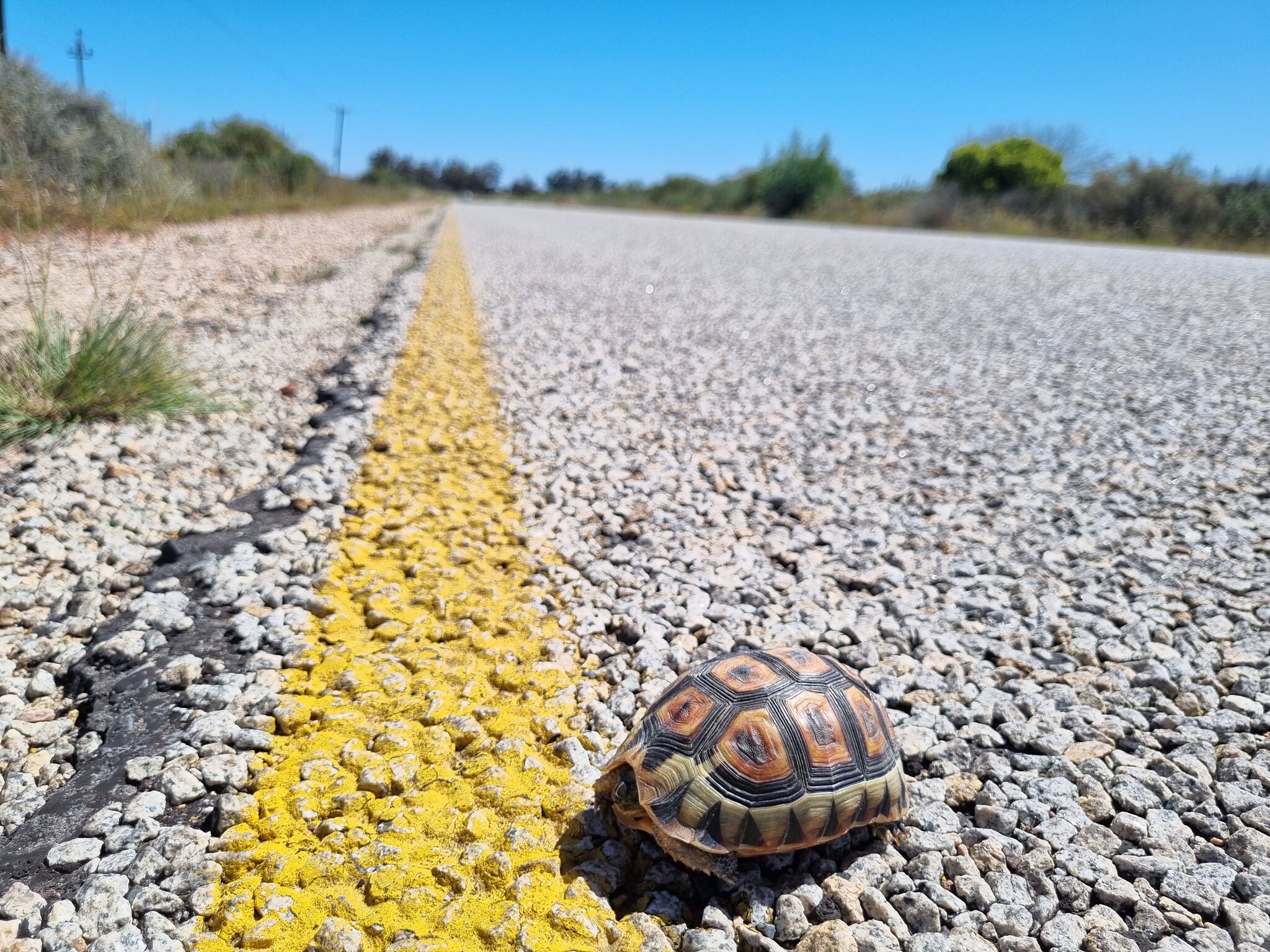
Wildlife corridors are strips of natural habitat connecting isolated patches. Think of them as nature's footbridges: narrow passages allowing creatures to slip from one bush to another without crossing the dangerous expanse of roads and driveways. In urban areas, corridors take many forms: green infrastructure like river corridors and street trees, stepping-stone habitats in gardens and community spaces, natural pathways along rivers, and backyard habitats where native plant gardens create continuous networks. Unlike traditional corridors that exclude human activity, urban wildlife corridors must balance the needs of both people and wildlife, building bridges not only for animals but among scientists, communities, and government agencies.

Swellendam's location in the Cape Floristic Region, one of the world's five floral kingdoms, makes our area critically important for biodiversity. Our landscape is a treasure trove teeming with life. This land famously sustains the Bontebok antelope (Damaliscus pygargus), that handsome creature with its rich brown coat and white face. Endemic and once reduced to only seventeen individuals globally, the Bontebok is now common in Bontebok National Park, just six kilometres from Swellendam. Hundreds of unique plant species thrive here, many endemic to our unique blend of Swellendam Silcrete Fynbos, Eastern Ruens Shale Renosterveld, Ruens Silcrete Fynbos, and South Langeberg Sandstone Fynbos. Many mammals, birds and reptiles are evident by day, and while some are seldom seen because of their nocturnal lifestyle, their tracks are common in the sand. In its natural state, the Overberg veld was once so rich that it was able to support a diversity of larger mammals, including the extinct Bluebuck (Hippotragus leucophaeus).
Urbanisation presents serious challenges: habitat fragmentation isolating wildlife in green spaces, vehicle collisions on roads, alien invasive species degrading wild spaces, and limited genetic diversity in isolated populations. Corridors address these problems. They increase movement between populations, reduce inbreeding, enable climate resilience, reduce human-wildlife conflict by providing safe passage, and offer psychological benefits through positive wildlife interactions.
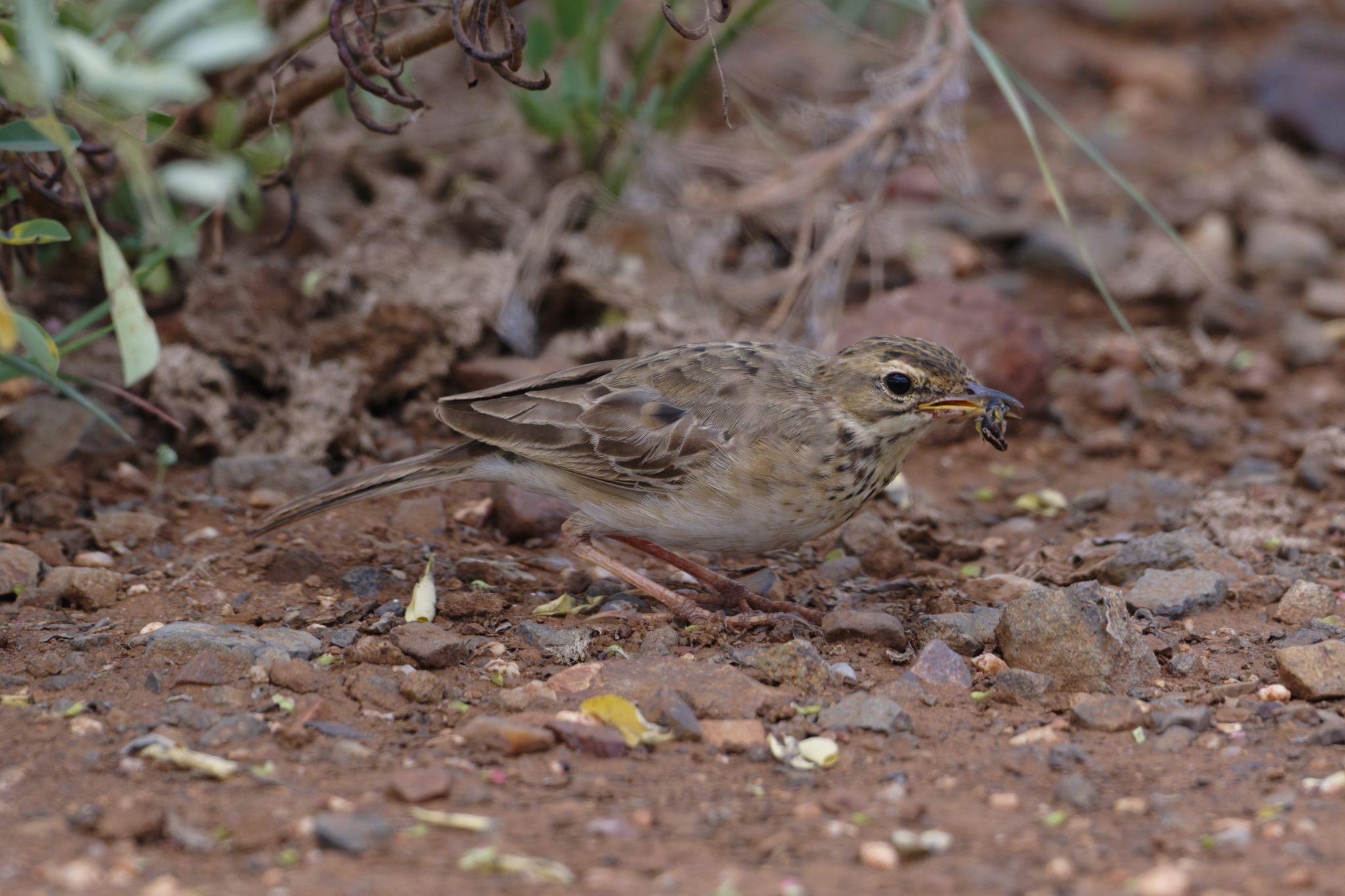
You do not need to be the owner of a large tract of land to contribute. Garden corridors create stepping-stone habitats connecting larger natural areas. Transforming a garden into a wildlife haven is both practical and rewarding. Plant locally indigenous species - those belonging to the Swellendam Silcrete Fynbos, Eastern Ruens Shale Renosterveld, Ruens Silcrete Fynbos, and South Langeberg Sandstone Fynbos vegetation types. Connect your garden to neighbouring properties through shared planting, placing indigenous flora along fence lines rather than just in the centre. Support pollinators by planting flowering indigenous species that provide nectar throughout the year, creating butterfly-friendly habitats. Avoid solid fencing that blocks wildlife movement: cut gaps in fences for small mammals and use wildlife-friendly fencing. Remove invasive plants from your property and participate in local alien-clearing initiatives. There is charm in a less manicured, lawnless garden, where mulched earth and local plants shelter precious life.
The Swellendam Conservancy actively protects and restores corridors. Alien invasive species monitoring and eradication, as well as restoration of indigneous plant species, are critical for creating healthy avenues for local creatures. You can support this work by advocating for corridor protection in municipal planning, supporting land acquisition for connectivity, encouraging habitat-friendly development policies, implementing indigenous gardens, connecting with neighbours, joining conservancy meetings, sharing ideas, learning about initiatives, helping with alien-clearing efforts, participating in restoration, joining monitoring programmes, and assisting education events.

Urban wildlife corridor conservation builds connections among community members. Scientists and non-profits collaborate, agencies and communities unite around common goals, neighbours connect through shared stewardship, and positive human-wildlife interactions increase. It is wonderfully uplifting to watch a community come together to create a virtuous cycle where conservation action catalyses societal benefits.
Swellendam's biodiversity is extraordinary but threatened. Urban wildlife corridors bridge nature and people, creating sustainable communities where both thrive. Together, we can ensure Swellendam remains a biodiversity hotspot for generations, where fellow creatures travel freely among our homes and gardens.
By Angela Moore Pozarycki