.svg)

The Secret Life of Otters
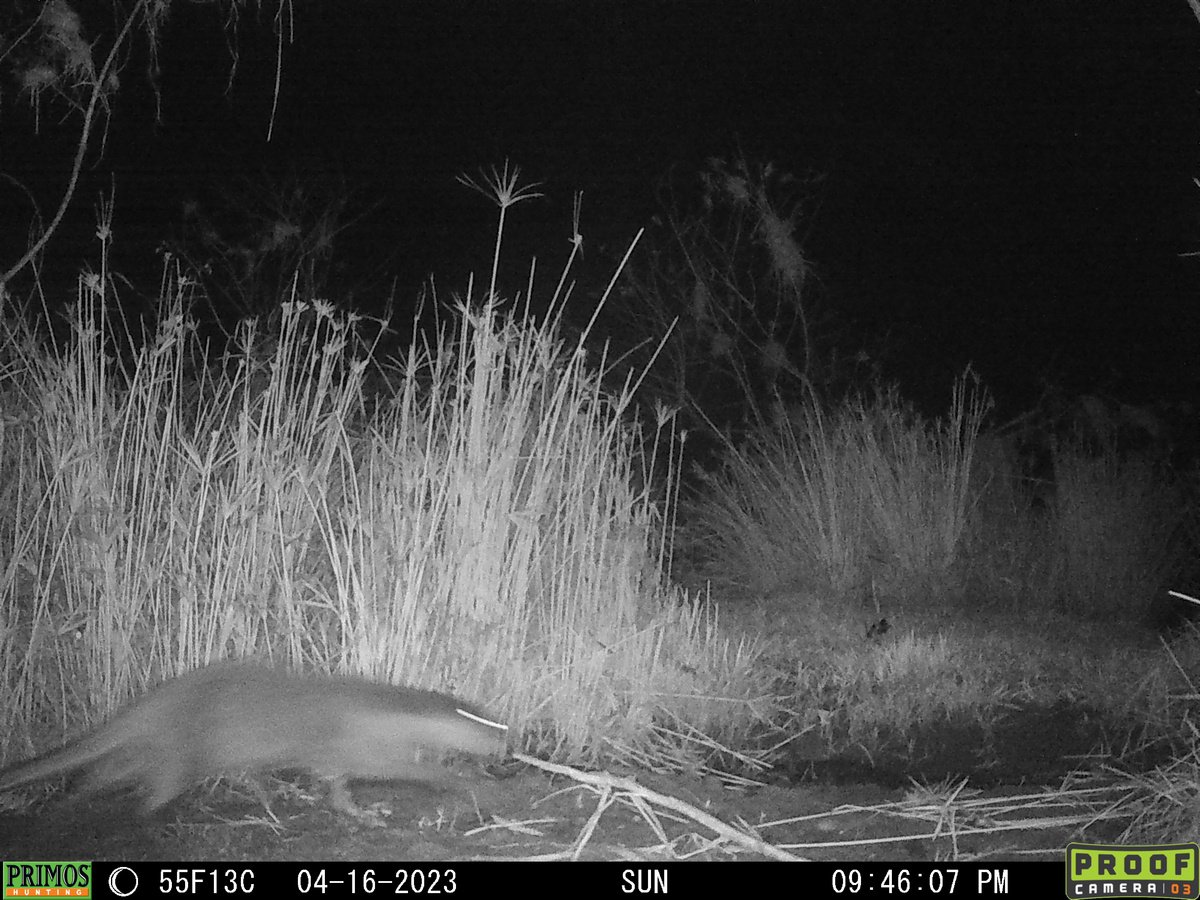
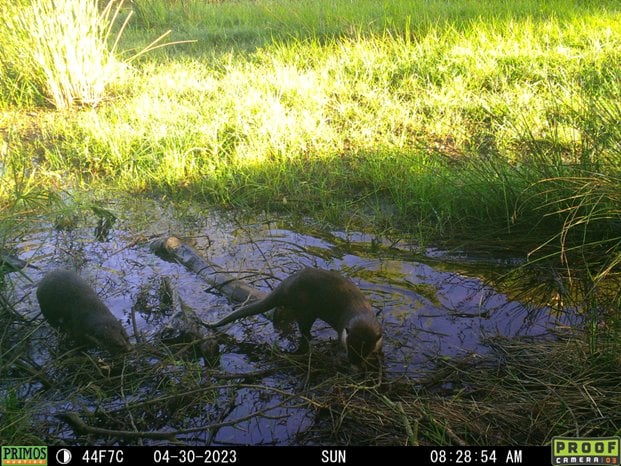
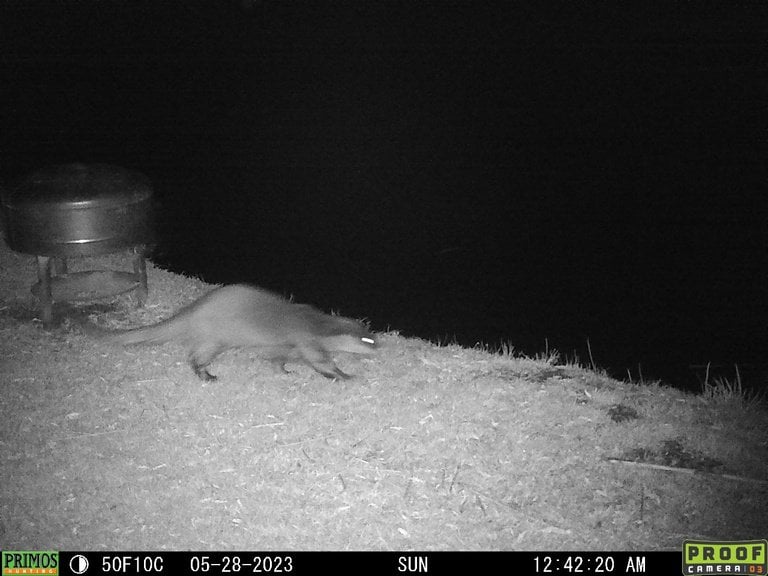
If you have ever walked next to a river and seen bits of shell or crab, you might be tracing the steps of an otter. My fascination with otters began when I saw Ring of Bright Water as a child, a movie about a writer adopting an otter. The otter, Mij's, playful nature and cuteness charmed me. A few years ago, I got the opportunity to research otters for my MSc on riparian mammals, and my interest started anew. I tried very hard to catch a glimpse of them, but it was surprisingly difficult. I spent hours next to rivers setting up cameras, and I would sit quietly at dusk hoping to see them, but without luck. I would see tracks and signs, but still they eluded me. It was wonderful to finally catch sight of them on camera at Buffeljags River for the first time. And the crowning moment was seeing two otters and their two pups at Grootvadersbosch farm during my last survey!
The otter typically seen around here is the Cape clawless otter (Aonyx capensis). It is one of two otter species in South Africa. The other otter species we find in South Africa is the Spotted-necked otter (Hydrictis maculicollis). This species is more common inland and does not occur in the Western Cape.
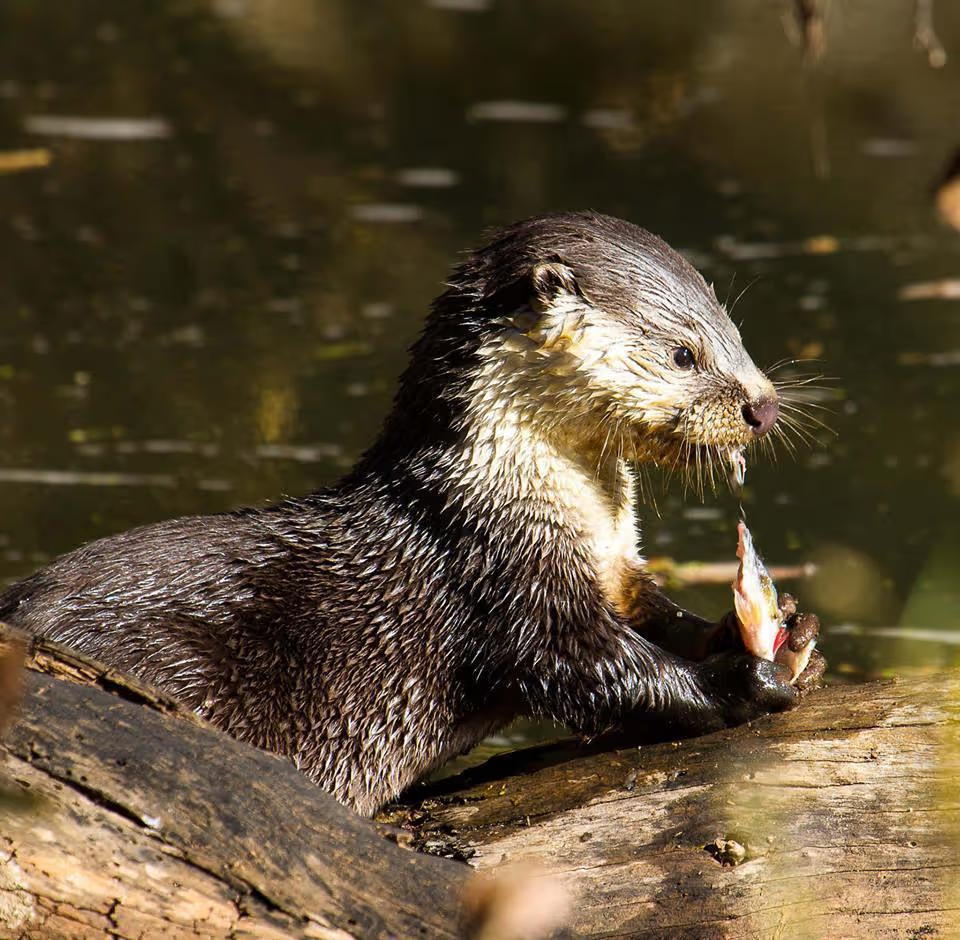
Cape clawless otters are large brown otters with white markings on their throat and face. They often occur along the coast but also in freshwater, i.e., rivers and dams. They are secretive animals and not often seen. They are excellent swimmers and divers, their webbed toes and streamlined bodies helping them to swim. Their thick fur protects them from the cold. They are often seen alone but also occur in small family groups.
Otters are playful and are often seen frolicking and playing with each other. They "speak" with mews and grunts and whistles, but scent also plays an important role in their communication. The "clawless" otter is not entirely clawless since they have small claws on their hind feet. However, their front paws have no claws, which makes their paws more flexible; they also have opposable "thumbs" which help them catch crabs and lobsters.
The species is classified as Near Threatened by the IUCN, with the main reason being that their numbers have decreased in the past couple of years, and due to an increase in the deterioration of river habitat in South Africa. Their importance in rivers, lies in being higher order predators in fresh water and marine ecosystems. They feed mainly on crabs and fish. Their diet means that they have the potential to act as sentinels, since through their prey, toxins in the rivers/ocean can build up in their systems. Therefore, changes in their population and/or presence of toxins in their tissues, can be a sign of disturbances in rivers/the ocean.
There is not a lot of research done on the species in the Overberg, despite the fact that they are supposed to be relatively common in the area.
In Swellendam itself, they are sometimes seen in the Koornlands River as well as in the Hermitage. My MSc focused on mammals that occur along rivers at the Buffeljags and Grootvadersbosch River, including otters. My research aimed to establish their presence in the area and to what extent water quality and other environmental factors influence them. I did this by setting up camera traps along 2km stretches of river at both sites
. The camera footage showed that there is at least one pair at Buffeljags river as well as one pair with two cubs at Grootvadersbosch. Dense vegetation for cover and shelter, was important for them at both sites, but water quality interestingly played less of a role in their presence than expected. They were spotted at pristine sites, but also in stretches of river with lower water quality, showing that they do occur in less ideal habitats.
This coincides with other research done in Cape Town by Okes and O'Riain (2017), where their research showed the species adapts well to urban areas as long as there is enough prey available. Despite the fact that they might be present and even thriving in urban and more disturbed areas, this kind of habitat is bad for their health over the long term. Research has shown that otters in cities and towns have much higher stress hormones than otters that live in more natural areas. Apart from that, pesticides such as PCBs can build up in their liver tissue and affect their health and breeding over the long term. So, despite their adaptability, healthy rivers and the maintenance of natural vegetation next to the rivers are very important for their long-term survival.
It has been lovely to discover a glimpse of the secret life of otters next to the rivers. If you ever encounter these mysterious animals, consider yourself very lucky.
Article by: Barbara le Roux
Article and photos by Barbara le Roux