.svg)

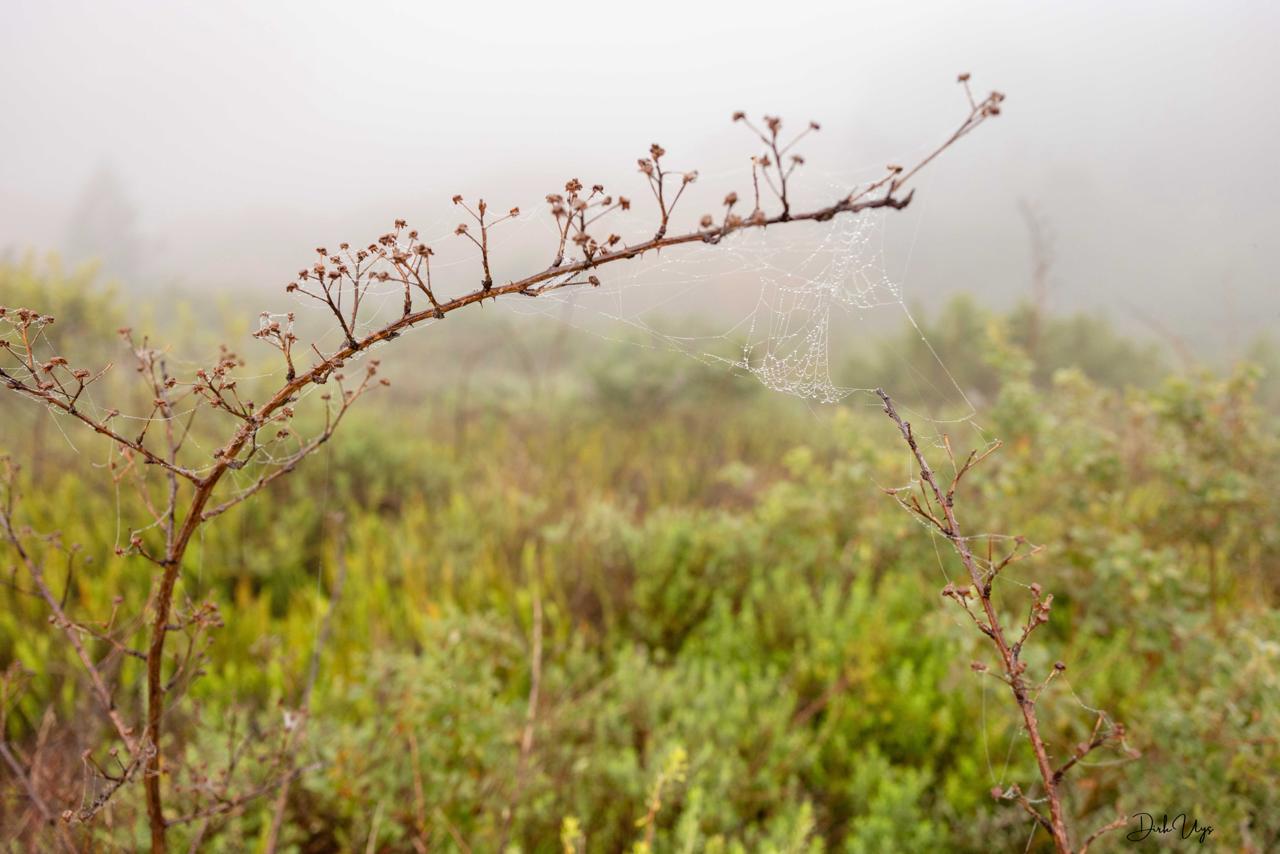
The most enchanting feature of any small town in the Western Cape - or indeed across South Africa - is the extraordinary variety of animal and plant life that thrives in and around it. Swellendam is especially blessed in this regard, its streets alive with the reedy trills of sunbirds, the moth-like flit of a Painted Lady butterfly pausing to rest on the dusty footpath, the fuzzy black beards of the Narrow-leaf Protea unfurling to reveal a wealth of sugary, life-giving nectar for all manner of creature, and the gentle, watchful stare of a Grey Rhebok grazing at dawn.
Yet the local decline in biodiversity - the gradual loss of variety and abundance of indigenous species and the disruption of their ecological relationships - is plain to see in daily life. Do you remember, several years ago on a long drive, how your windscreen and bumper would end up splattered with insects of every sort - grasshoppers, tiny flies, clouds of flying termites? Do you remember the colossal flocks of White-rumped Swifts wheeling across the skies in pursuit of these insects? When last did you see an otter?
To trace the cause, we must begin at the source. The building blocks of a healthy, thriving ecosystem are clean water and undisturbed habitats, because they sustain plant life, which in turn supports animal life. In South Africa, one of the most biodiverse countries in the world, invasive plant species are considered the single largest threat to biodiversity, because they destroy habitats by outcompeting indigenous plants for light, water, space, and nutrients. Black Wattle, Hakea, Port Jackson, Beefwood, and Pine are well-known scourges in our society. Alien plants grow along every waterway; dense thickets smother the natural veld; and fire-prone biomass is dumped on cleared land. This, along with other threats such as urban development, agriculture, poaching, and livestock grazing, leads to a decline in local plant species, which quickly results in a decline in the animal species that rely on them.
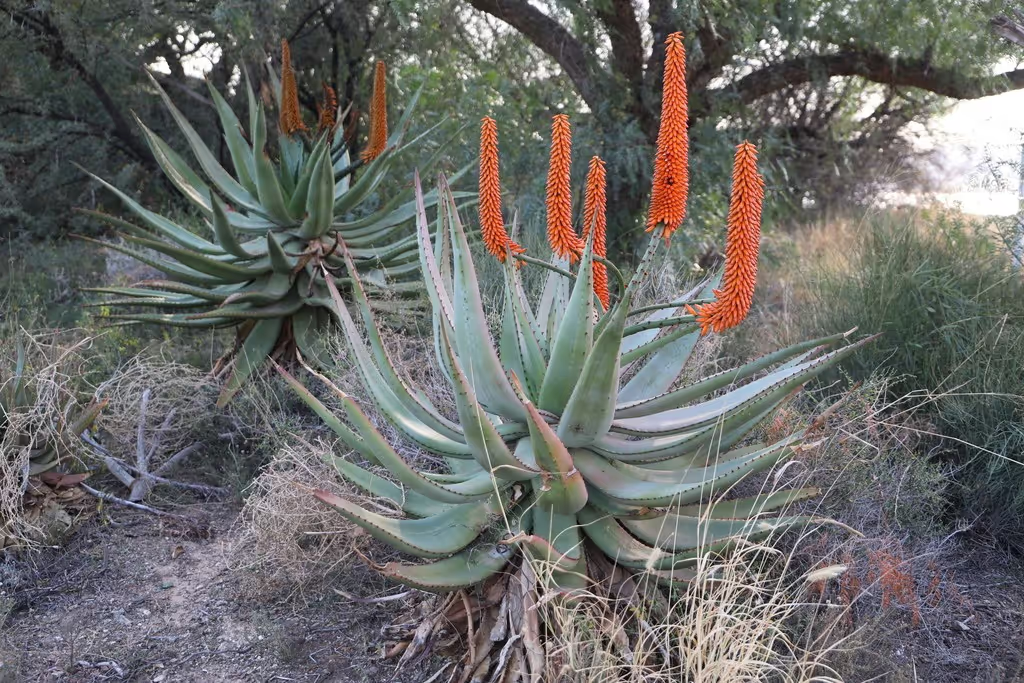
Aloe ferox is a common indigenous species in the Overberg. It is easily recognisable, with its tall, pillar-like stem, spiky succulent leaves, and tall, candelabra-like, tightly-packed groups of orange flowers. It is a popular traditional medicine, making it vulnerable to professional black-market poachers and casual poachers alike, in addition to the ever-present onslaught of alien species and other threats.
We will use this species as an example - one among many - of how the decline of a single species can affect the biodiversity of an area.
The most common species seen foraging pollen from Aloe flowers is the Cape Honey Bee (Apis mellifera capensis). Sweat bees (Halictidae) and Allodapine bees (Allodapini) are also frequent visitors. Bees, however, tend to visit and pollinate many flowers on a single plant rather than foraging across multiple plants, and Aloe requires cross-pollination between different plants in order to produce seed. This means that bees are poor pollinators of the Aloe flowers, and plants pollinated by bees produce very little seed.
The true pollinators are sunbirds (Nectariniidae) and sugarbirds (Promeropidae), which typically range widely and visit multiple plants across the landscape. A host of other bird species serve as secondary pollinators.
The loss of Aloe ferox plants, through alien plant invasion, poaching, or other causes, directly affects the food source of these birds - the Cape Sugarbird (Promerops cafer) and our many local sunbird species, such as the Southern Double-collared Sunbird (Cinnyris chalybeus), Malachite Sunbird (Nectarinia famosa), Greater Double-collared Sunbird (Cinnyris afer), Orange-breasted Sunbird (Anthobaphes violacea), and Amethyst Sunbird (Chalcomitra amethystina).
A population of birds faced with a decline in its food supply will begin to struggle to survive. The Aloe becomes more vulnerable still, with bird numbers declining and bees unable to pollinate effectively, leading to a vicious cycle: the decline of the Aloe leads to the decline of the birds, which again leads to the decline of the Aloe. Further, sugarbirds and sunbirds also happen to be the main pollinators of Protea and Erica species. If the birds decline, both of these plant families - and the vast multitude of animal species they support - may also struggle to produce seed, and eventually decline. So it goes, like a line of dominoes, one species falling after the next.
This intricate relationship between Aloe ferox, birds, and bees is only a single thread in a much larger tapestry of relationships, each just as finely balanced and just as vulnerable. Every indigenous species - whether plant, bird, insect, reptile, mammal, or otherwise - faces the same pressures: shrinking habitat, invasive competitors, disrupted pollination or breeding, and the slow erosion of the food webs that once sustained them. When one familiar Aloe clump disappears from a road verge, or one natural thicket is choked by alien trees, it may seem like a small, isolated loss that happens slowly, almost imperceptibly; in reality, it is another breach in the living fabric that holds entire communities of species together, including our own.
As with many issues in this world, the solution starts at home and within the community. Together, we can play an important role in protecting local biodiversity by living in ways that safeguard ecosystems and indigenous species. Plant locally indigenous species on your properties and in communal spaces, and remove all invasive plants. This will help provide food and shelter to the local pollinators and small animals that so desperately rely on them to survive. Maintain green corridors throughout the town and surrounding farmland, so that animals can travel freely with minimal human interference. Support local initiatives that protect green spaces and regulate development. Stay alert for signs of illegal harvesting of indigenous plant or animal species - whether by organised poaching groups or unlicensed foragers - and report any suspicious activity.
This International Biodiversity Day, may we reflect on us not being the only species living on this planet, and that our daily human-related concerns often pale into insignificance beside the larger living world of which we are only one small part. Let us, then, commit to stand for the protection and restoration of all that is natural in this beautiful little town.
- Angela Moore Pozarycki