.svg)

Sunbirds Found in Our Area
Locally, we have 5 species of brightly coloured sunbirds, listed below with some facts about each of these:
• The males adorn our gardens with their bright colours during spring and summer, which coincides with the breeding season of most of the local bird species.
• The Orange-breasted primarily keeps to the fynbos and protea-rich areas like Marloth Nature Reserve and the mountains around us.
• All these feed primarily on nectar and insects, the primary reason they visit our gardens, especially if there are flowers rich in nectar. If there is sufficient food in the garden, they may also breed in one's garden.
• Sweetened water using natural sugar (10% - 20%) in bottles has been around for some time; however, the practice of using colouration or artificial sugar products is detrimental to the birds' health and should not be used.
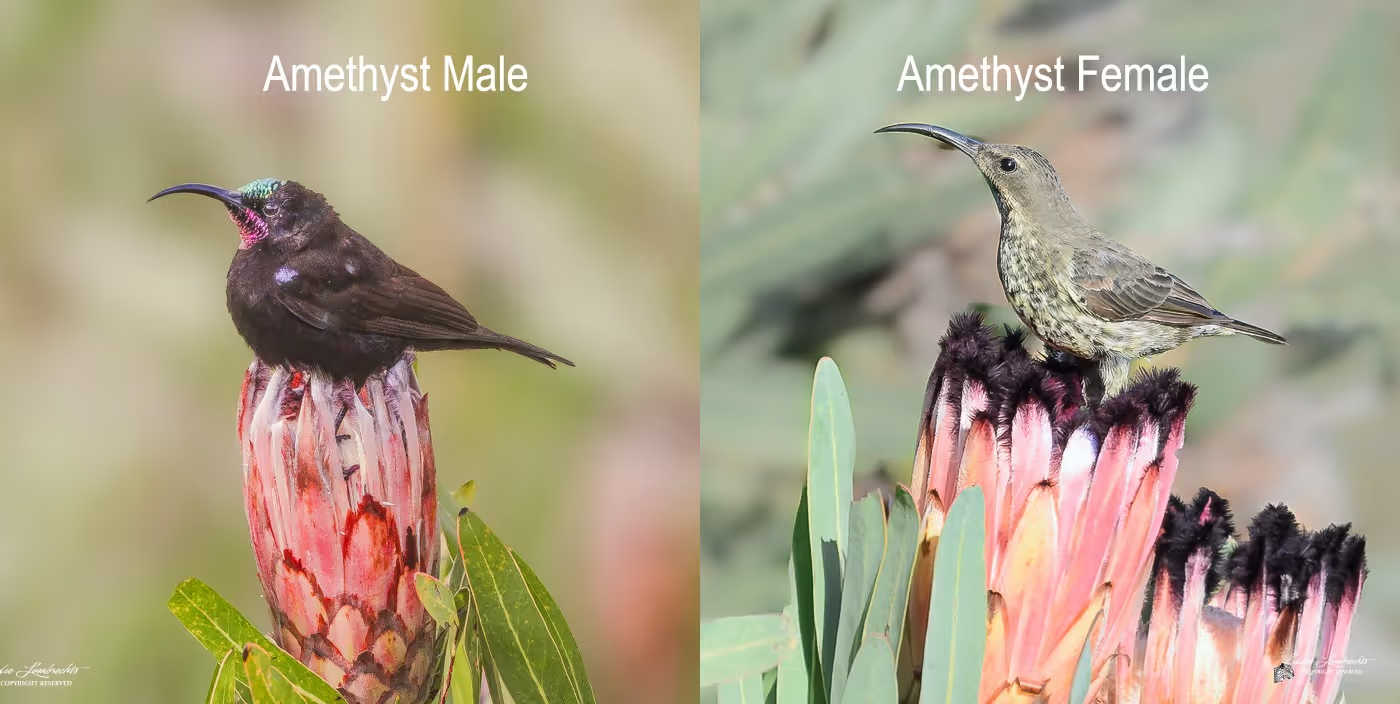
• During the non-breeding season (locally from about March to August), the males transition (or lose) most of their brightly coloured feathers and appear more like the females.
Amethyst Sunbird (Swartsuikerbekkie)
• Food: Nectar, insects, and spiders.
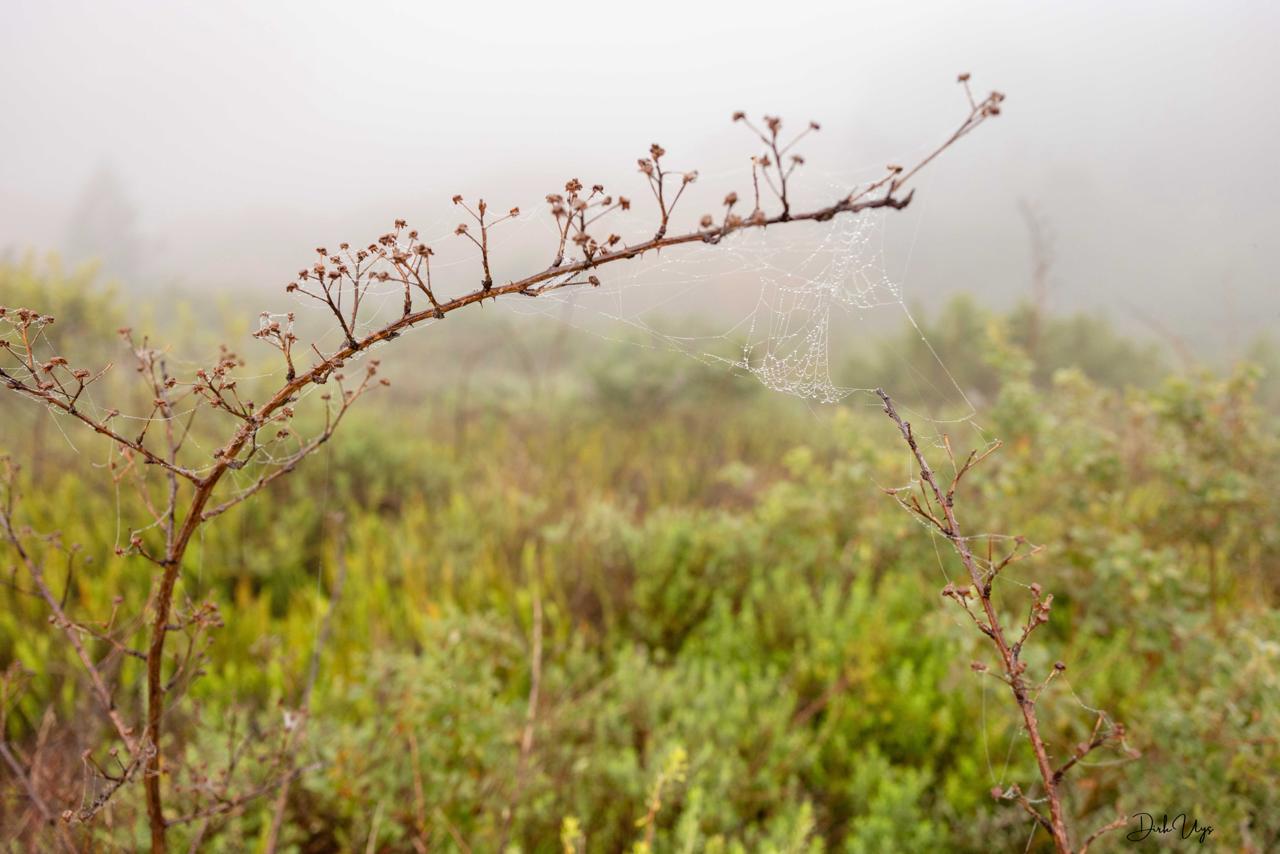
• Nest: Built by females only. Oval shaped, built of lichen, grass, down, stalks, hair, bark, and leaves, bound with spider web; lined with plant down or feathers. Side-top entrance.
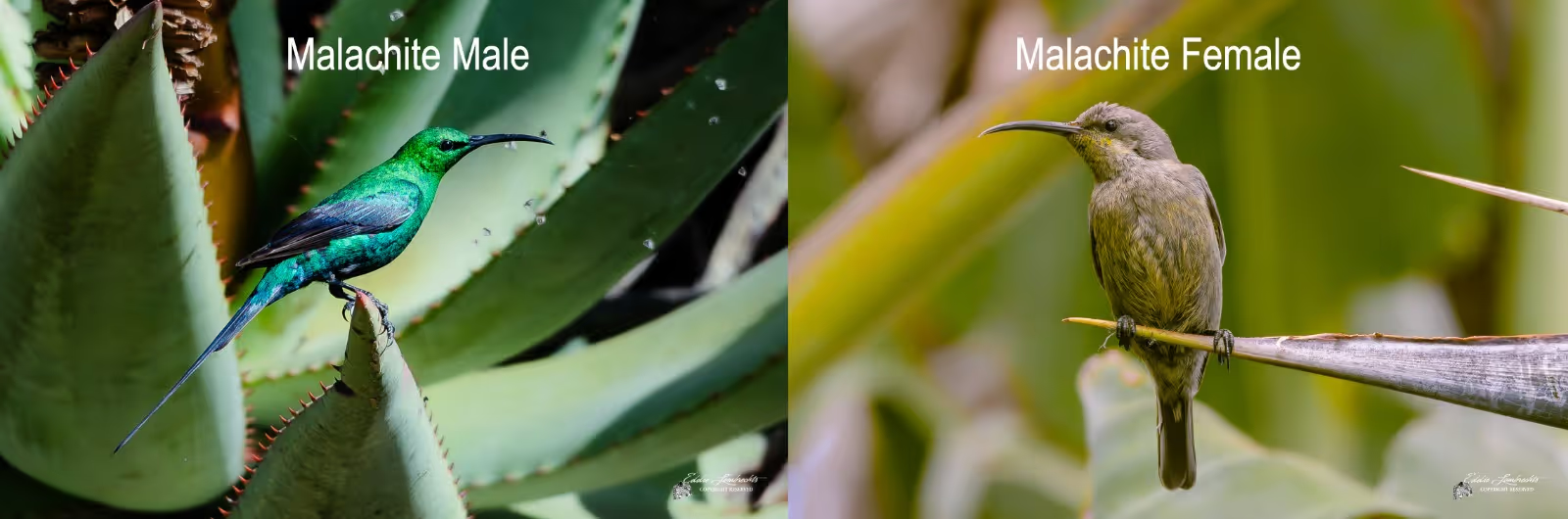
Malachite Sunbird (Jangroentjie)
• Food: Nectar, insects, spiders, and small lizards.
• Nest: Built by females only. Dome-shaped structure, with a side entrance, built mainly of dry grass and plant bound with spider web.
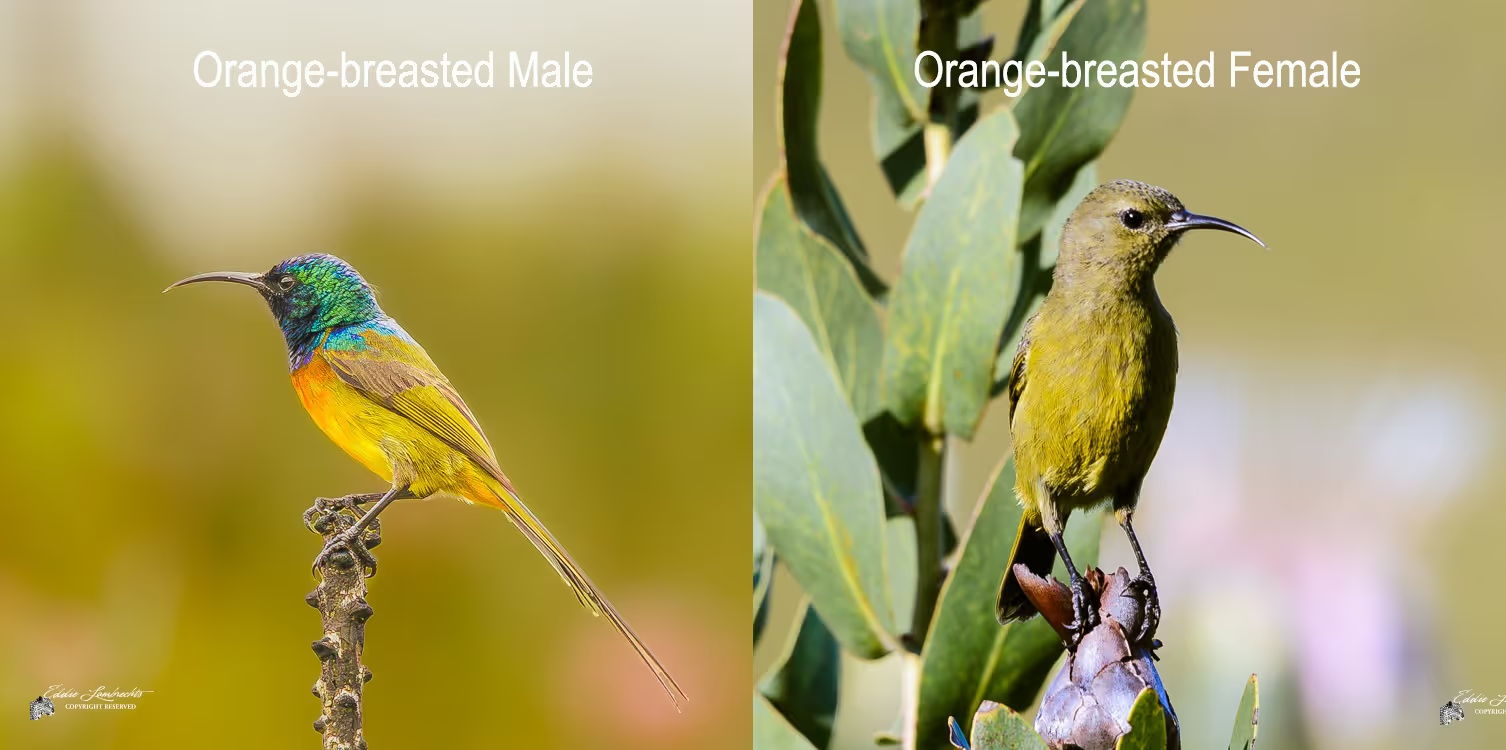
Orange-breasted Sunbird (Oranjebors-suikerbekkie)
• Food: Nectar, insects, and spiders.
• Nest: Site chosen by male or female. Built by females only, sometimes accompanied by a male on collection trips. Very densely packed, well-insulated oval, with circular side entrance; lacks porch. Built of small dry twigs, heather, and soft vegetable fluff. Fluff is also used as lining, including Protea fluff, brown seed fluff from alien Blackwood Acacia, and white fluff of Kapokbos. Spider webs, and sometimes spider egg sacs are used as a binding agent.
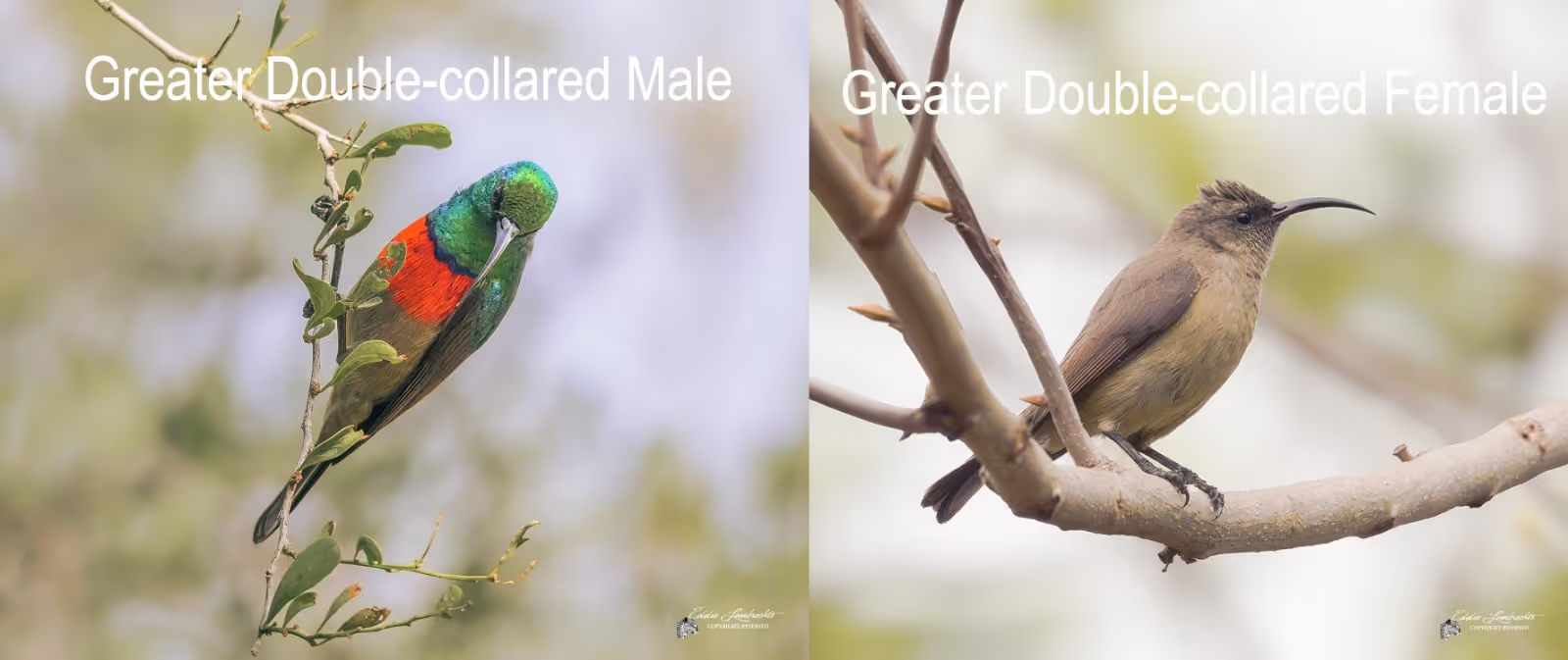
Greater Double-collared Sunbird (Groot-rooibandsuikerbekkie)
• Food: Nectar, insects, and spiders.
• Nest: Built by females only. Nest walls built of dead grasses, bark shreds, wool, cottony material, fur, feathers, leaves, rootlets, lichens, small twigs, and string, bound with spider web; latter also used to bind nest to surrounding vegetation.
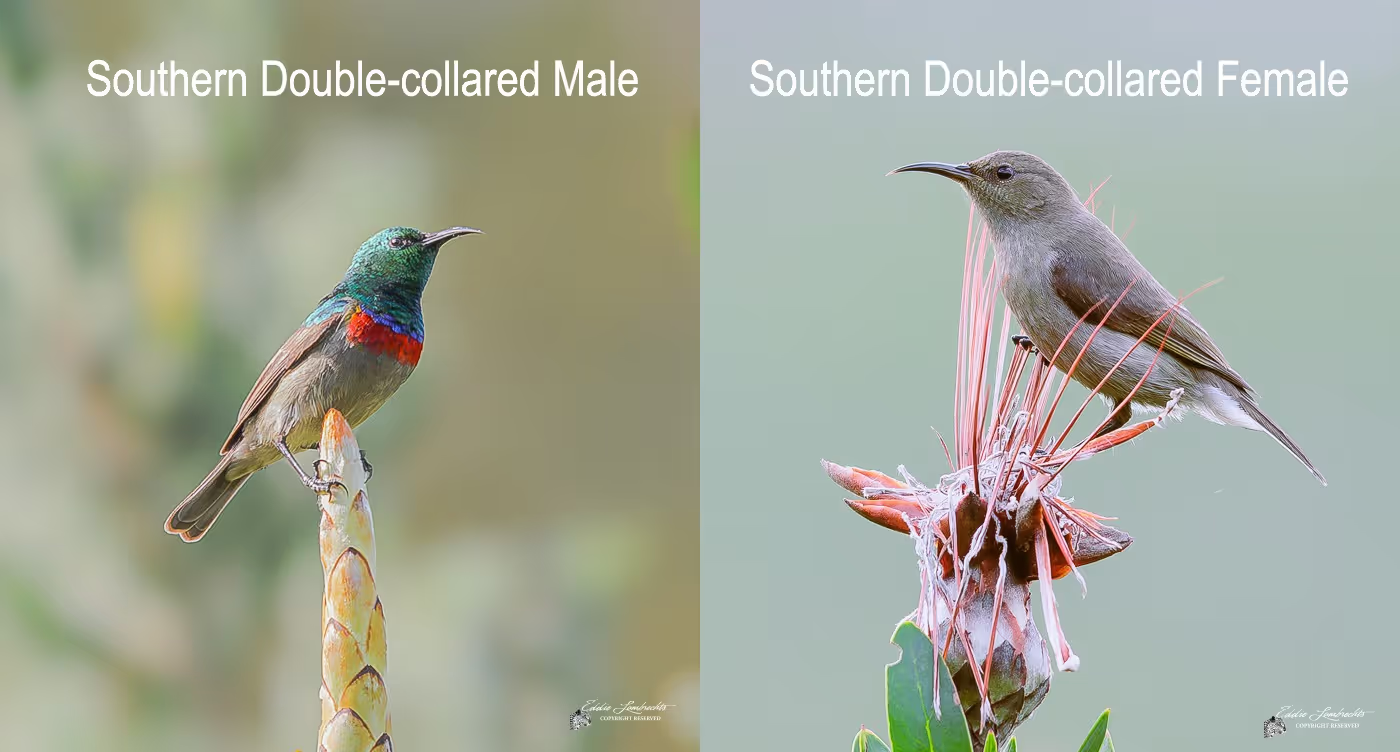
Southern Double-collared Sunbird (Klein-rooibandsuikerbekkie)
• Food: Nectar and insects.
• Nest: Built by females only. Built of grass, peduncles of Old Man's Beard, Galium tomentosum, twigs, and rootlets densely bound with spider web. Outside, sometimes decorated with fluffy seeds of Karoo rosemaries (Eriocephalus spp) or wool; rarely pieces of plastic, eggshell, string, paper, or spider cocoons. Some nests, especially in forested areas, are entirely constructed from old-man's-beard lichen Usnea barbata. Lined with wool, plant down and feathers (often of domestic chickens), fine shreds of bark, and soft grass seeds.
Written by: Eddie Lamprecht
Article photos supplied by Eddie Lambrechts
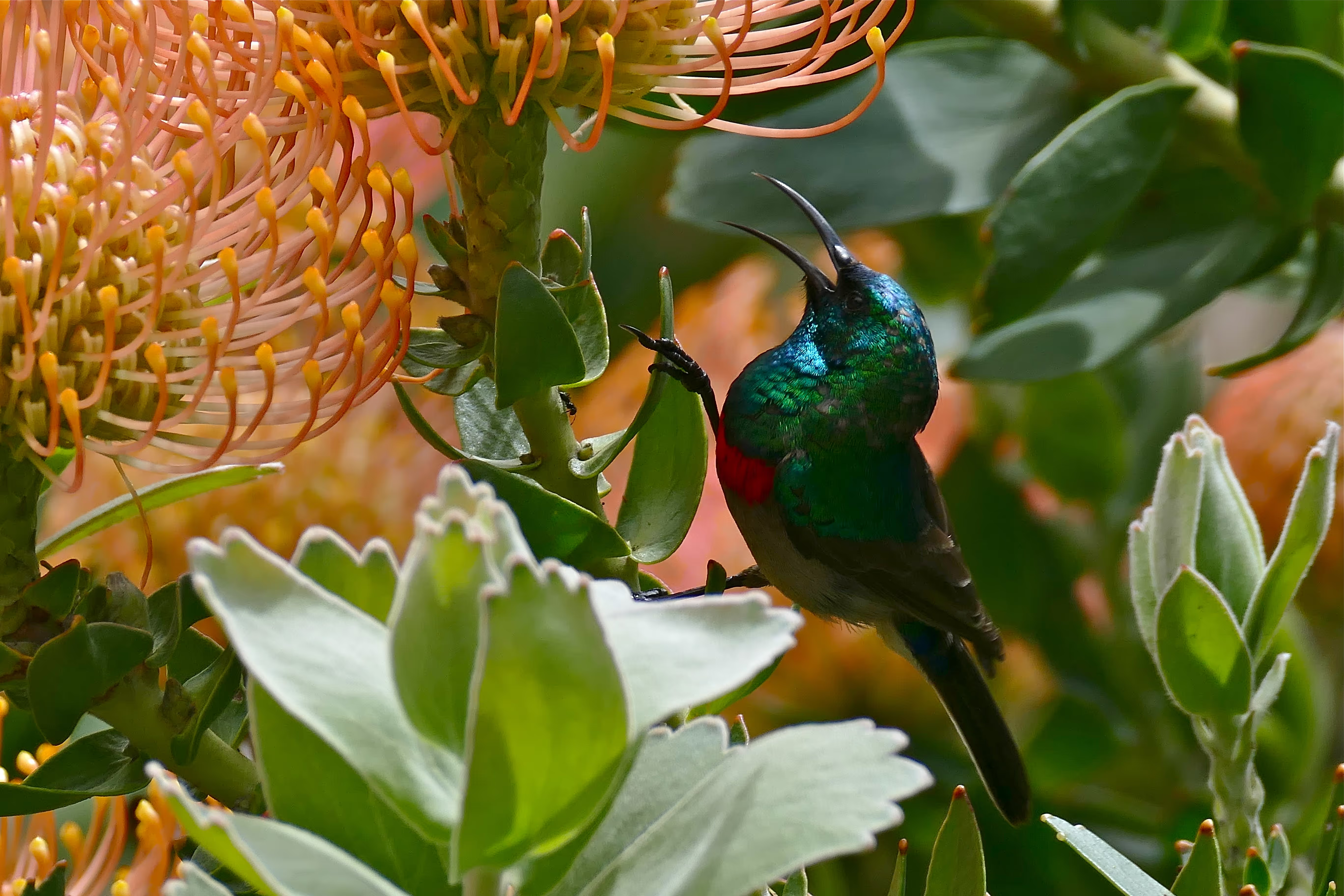
Hero photo: Southern double-collared sunbird — Bernard DUPONT from FRANCE (CC BY-SA 2.0), via Wikimedia Commons.