.svg)

How to Reduce Wildlife Conflicts in Your Neighbourhood
Swellendam's urban area lies between two protected natural areas at the foot of the Langeberg Mountains. This special location means that encounters with wildlife are a natural part of living here, as many animals move through the area between the mountain slopes, river corridors, and lowland habitats. Our town should remain a safe space where wildlife can move freely between natural areas and protected zones while still having access to important water sources such as the Koornlands and Klip River.
Achieving this balance can be challenging, as some wildlife that venture into urban areas are not always welcome and, in some cases, can pose a safety concern. By increasing our awareness and taking appropriate precautions, we can coexist with the animals that make Swellendam unique.
By implementing a few practical changes and deterrent methods in and around your home and garden, you can reduce the risk of unwanted encounters with wildlife. All of the tips and information mentioned below will also help prevent other human-wildlife conflicts. Below is a list of some additional species-specific tips.
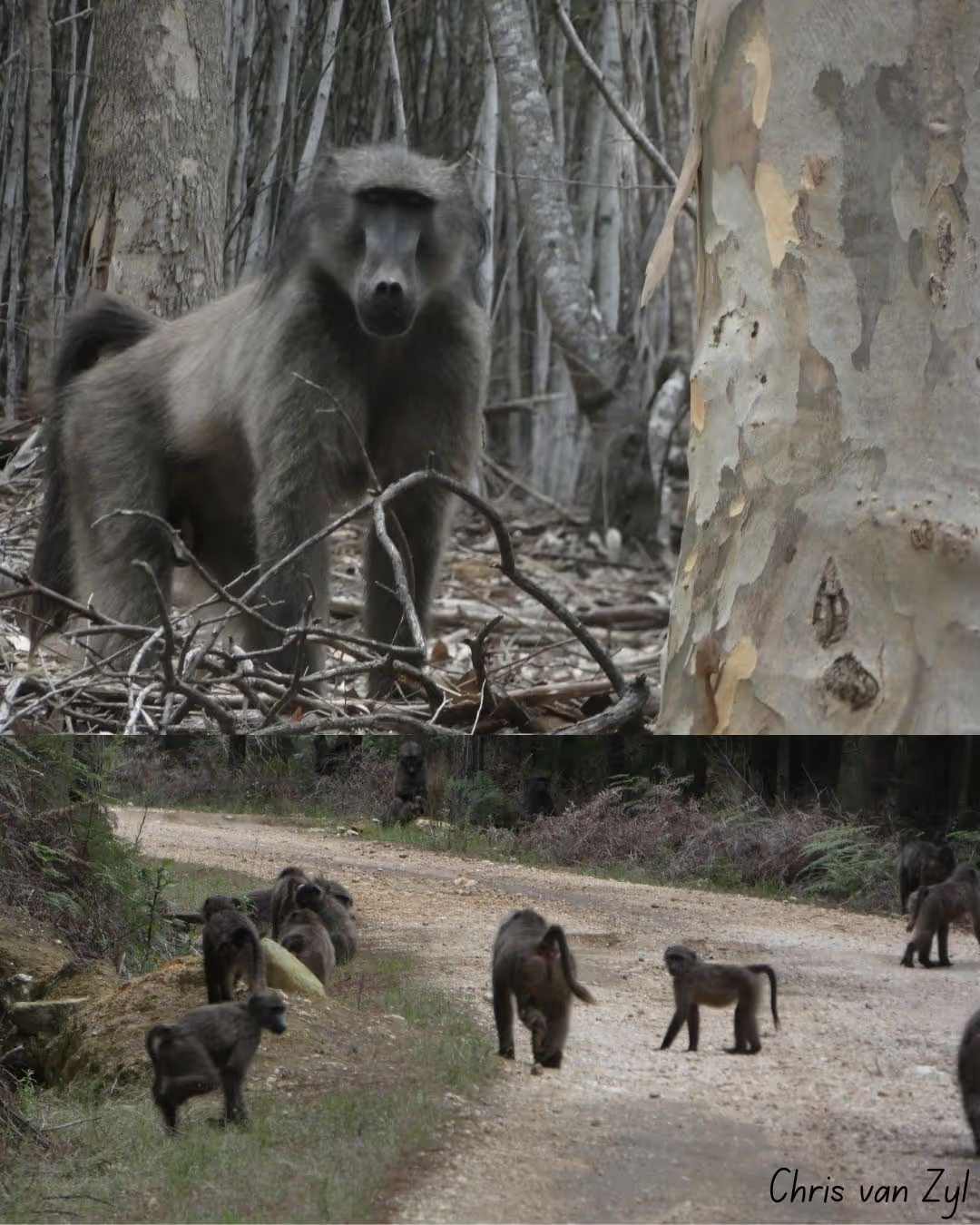
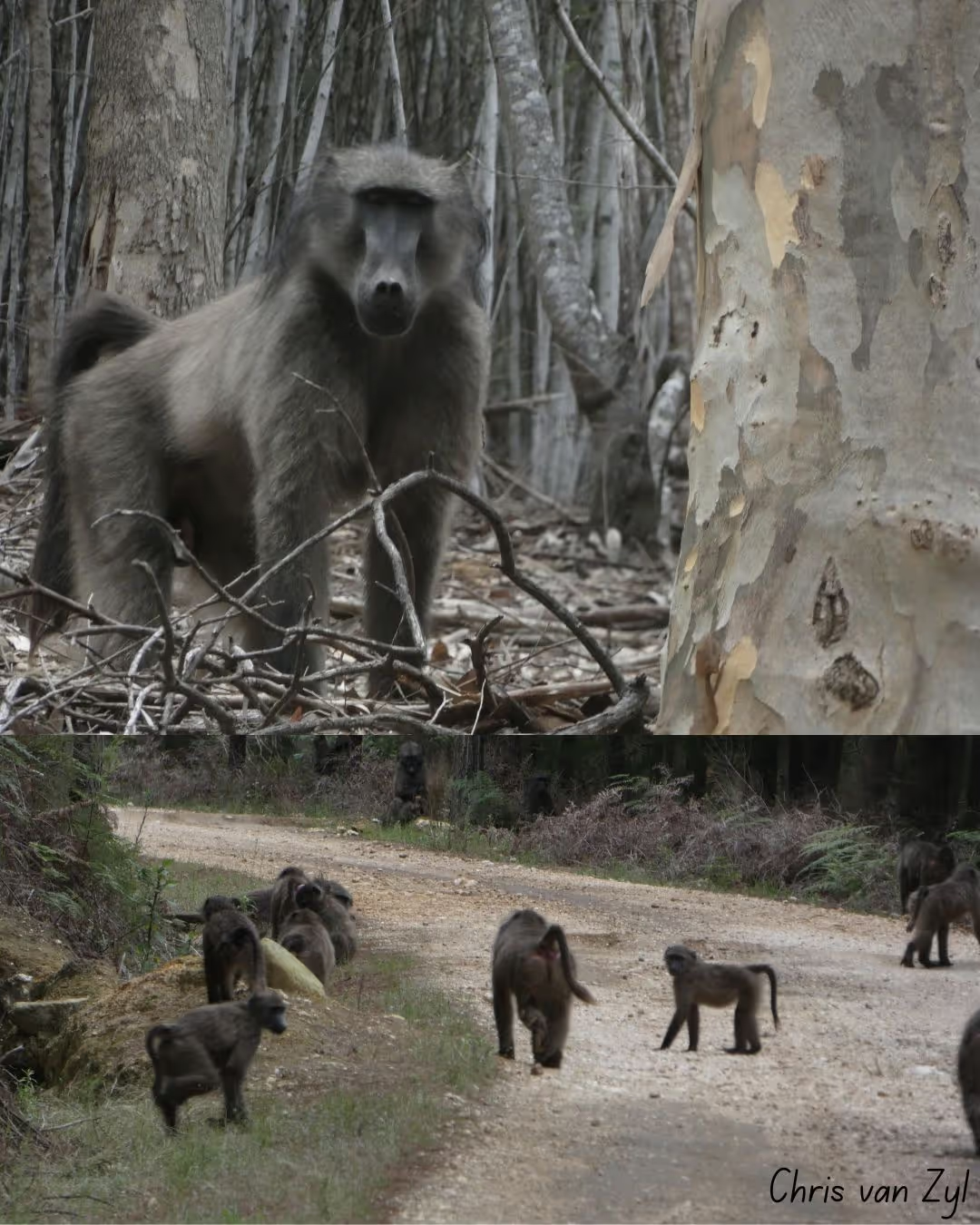
Baboons
The Chacma baboon (Papio ursinus) is one of the most adaptable primates in southern Africa, living in a wide range of habitats from mountains and coastal areas to farmlands and towns. They are highly social animals, living in complex troops led by dominant males, and they play an important role in the ecosystem by dispersing seeds and controlling insect populations. In areas like Swellendam, baboons sometimes move through urban spaces in search of food, making coexistence and responsible waste management essential. Learn more: https://www.sanbi.org/animal-of-the-week/chacma-baboon/
Baboons are intelligent and opportunistic animals known for entering urban areas in search of easily accessible food sources.
To prevent attracting them, consider the following precautions:
Secure garbage bins and avoid leaving food/garbage outside.
Keep doors, safety gates, and windows without burglar bars closed.
Use round doorknobs, as baboons can open doors with lever-style handles.
Remove visible food sources, like fruit bowls on tables and birdfeeders in gardens.
Keep pet food/chicken feed indoors and secure feed storage areas.
Baboon-proof chicken sheds, vegetable gardens, compost heaps, and outbuildings/sheds.
Regularly harvest fruits and vegetables, and do not leave any fallen fruit or rotten vegetables on the ground that may attract baboons.
Other tips: Use a community early warning system like a WhatsApp group to warn your neighbours.
To effectively deter baboons, it's important not to rely on the same method consistently, as they can quickly become accustomed to a single deterrent. I
nstead, alternate your approaches.
Consider using various deterrents, such as:
Noise: Loud alarms, air horns, or sirens can be effective.
Water: Spraying water can also serve as a deterrent. E
lectric Fencing: If installed correctly and at the proper voltage, electric fences can help keep baboons out.
Ensure that there are no overhanging trees or structures that could allow them to bypass the fence.
Bird Spikes or Razor Wire: Placing these on walls or areas where baboons might try to enter your property can be useful.
Dogs: Having dogs can act as an early warning system for detecting baboon activity.
By mixing these strategies, you can improve your chances of keeping baboons and other wildlife away.
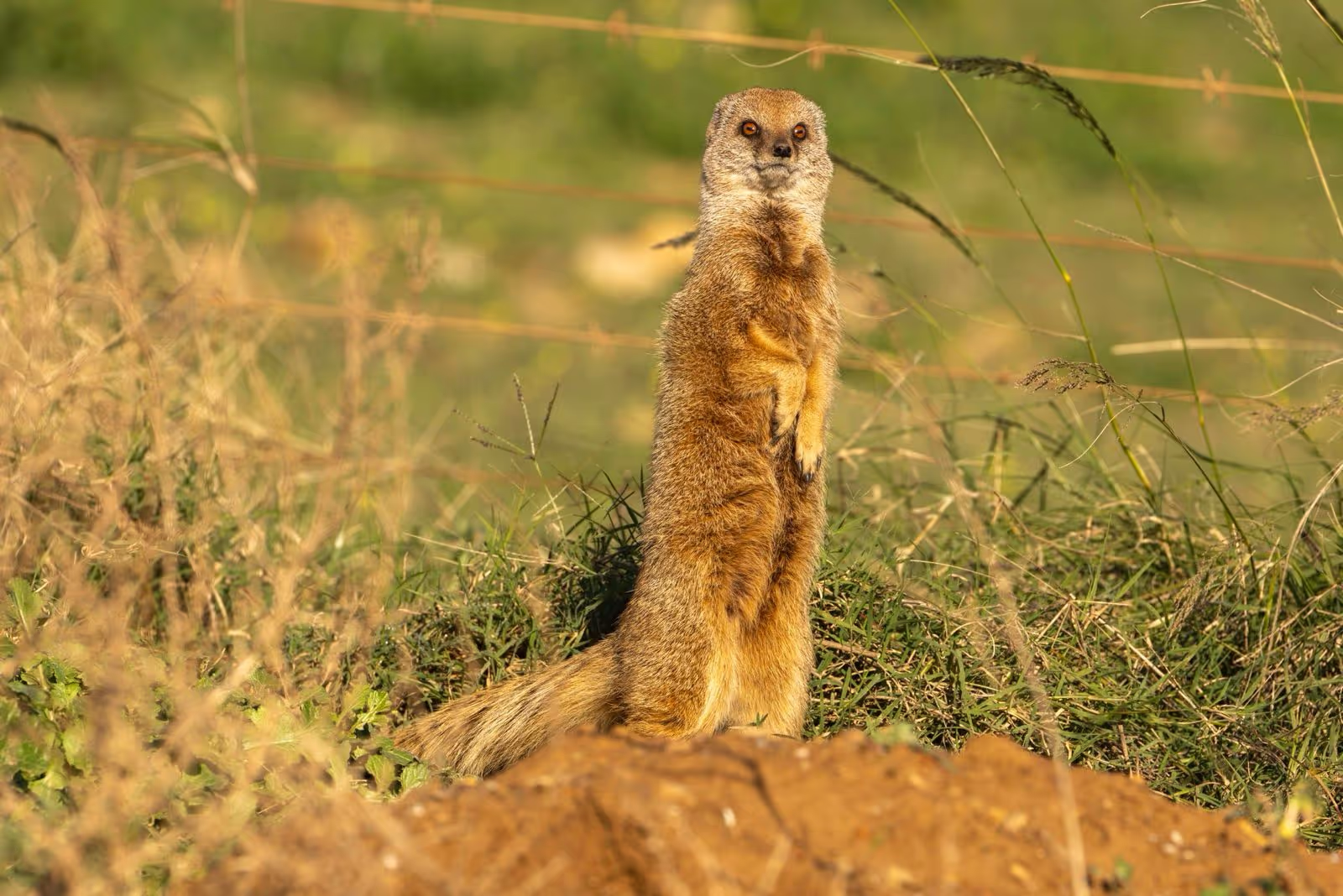
Mongoose
A mongoose will raid poultry coops and prey on small animals.
Check for small gaps under doors, around vents, and along walls.
Avoid leaving pet food, eggs, fruit, or bird seed outside overnight.
Secure rubbish bins with tight-fitting lids, and clean up spilled feed regularly.
Use strong welded mesh instead of chicken wire, as mongooses can bite or bend through weaker fencing.
Bury the mesh at least 30 cm deep around the perimeter to prevent digging. Keep vegetation trimmed.
Remove wood piles, dense shrubs, or clutter where mongooses could nest or hide.
Motion-activated lights or sprinklers can discourage nighttime visits.
Genet
Genets are agile climbers and opportunistic omnivores; they enter through roofs, trees, or open windows. I
nspect your roof, eaves, and vents for gaps or broken tiles, and seal them with wire mesh or metal sheeting.
Genets often nest in warm, sheltered roof spaces.
Use sturdy welded mesh over chicken coops or aviaries, including the roof area.
Ensure doors latch securely at night.
Cut back tree limbs that touch your roof or walls.
Genets are agile climbers and use branches as entry points.
Don't leave pet food, fruit, or open bins outside overnight.
Close compost heaps or bins.
Motion-activated lights or ultrasonic repellents can discourage nocturnal visits, especially around rooflines and outbuildings.
Caracal
Caracals are elusive wild cats that may target small livestock and pets.
Bring small livestock, chickens, and pets into secure enclosures before dusk.
Use strong fencing at least 1.8 m high, with an overhang or electric strand at the top to prevent climbing.
Motion-activated lights or alarms can deter nighttime visits.
Reinforce chicken coops and small livestock pens with welded mesh or electric netting.
Dispose of waste and keep compost and refuse bins securely closed.
Avoid leaving pet food, carcasses, or animal remains outside.
Keep vegetation trimmed, as these can provide cover for caracals when stalking prey.
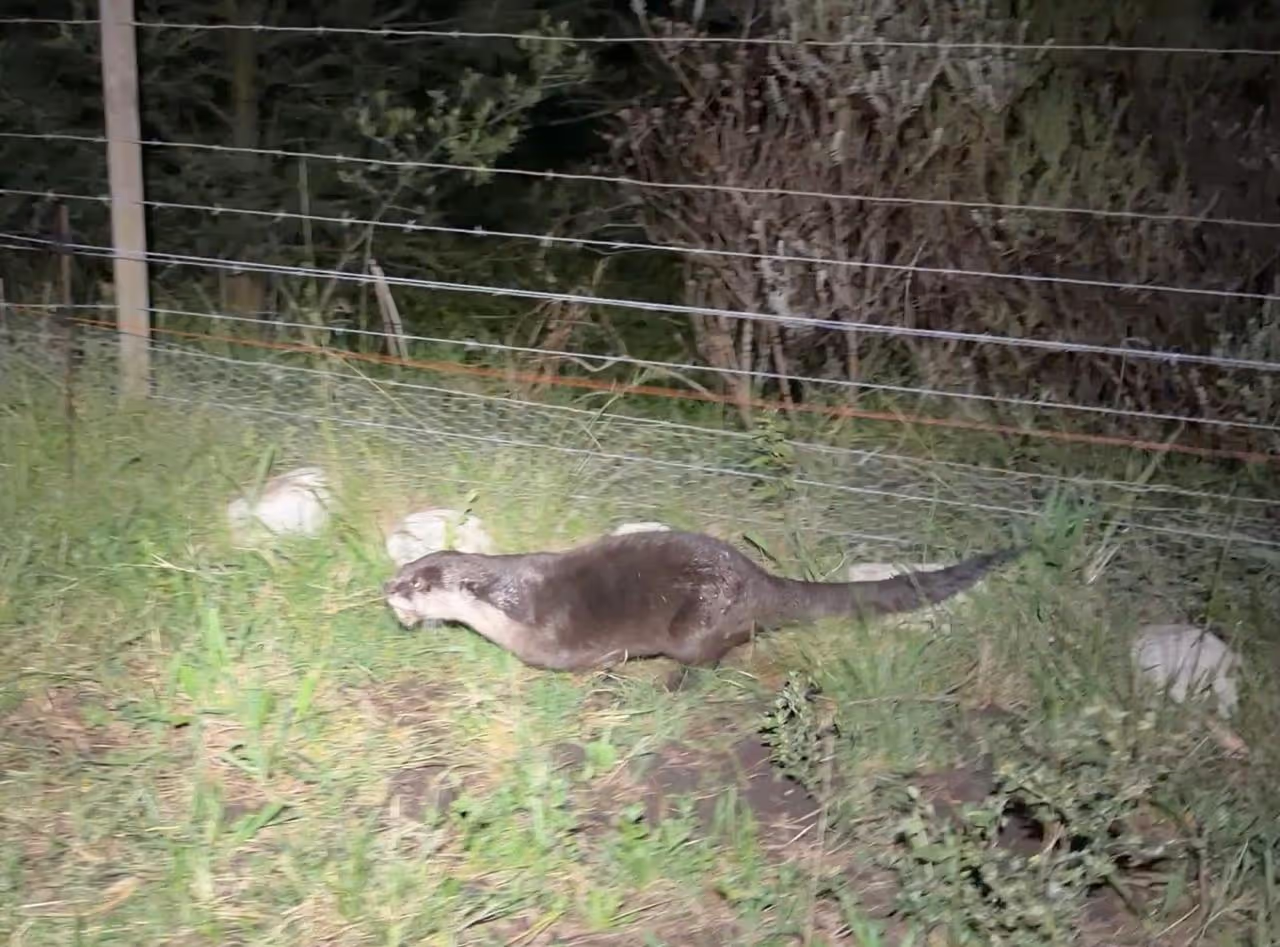
Otters
Otters damage fishponds and water features, often driven to urban areas by habitat destruction and pollution.
Use sturdy wire mesh or netting over ponds and around fish dams, with gaps no larger than 5 cm.
Ensure fencing is at least 1 m high and buried 30cm into the ground, as otters can dig or squeeze through low openings.
Where possible, install barriers or mesh screens at drainage pipes or channels that connect to rivers or streams. A
void leaving fish scraps or pet food near water.
If you feed fish, remove leftover feed and clean up regularly to discourage otters from returning.
Keep reeds, bushes, and long grass around water features trimmed.
This removes cover that otters use for resting or hiding near feeding areas.
Lights, sprinklers, or noise sensors can startle otters and discourage them from revisiting your property, especially at night when they are most active.
Porcupine
Porcupines damage gardens and vegetable gardens.
Install sturdy welded mesh or wire fencing and bury the bottom 30–40 cm into the ground or bend it outward underground to prevent digging.
Wrap young tree trunks with wire mesh or plastic guards.
Raised garden beds and mesh enclosures can also help protect vegetables and bulbs.
Keep compost heaps fenced off and clear up fallen fruit, vegetables, and garden scraps.
Porcupines are attracted to easy food sources near human areas.
Article by Natalie Garlick (SBC Committee Member)