.svg)

Threats to Blue Cranes in the Swellendam and Overberg Area
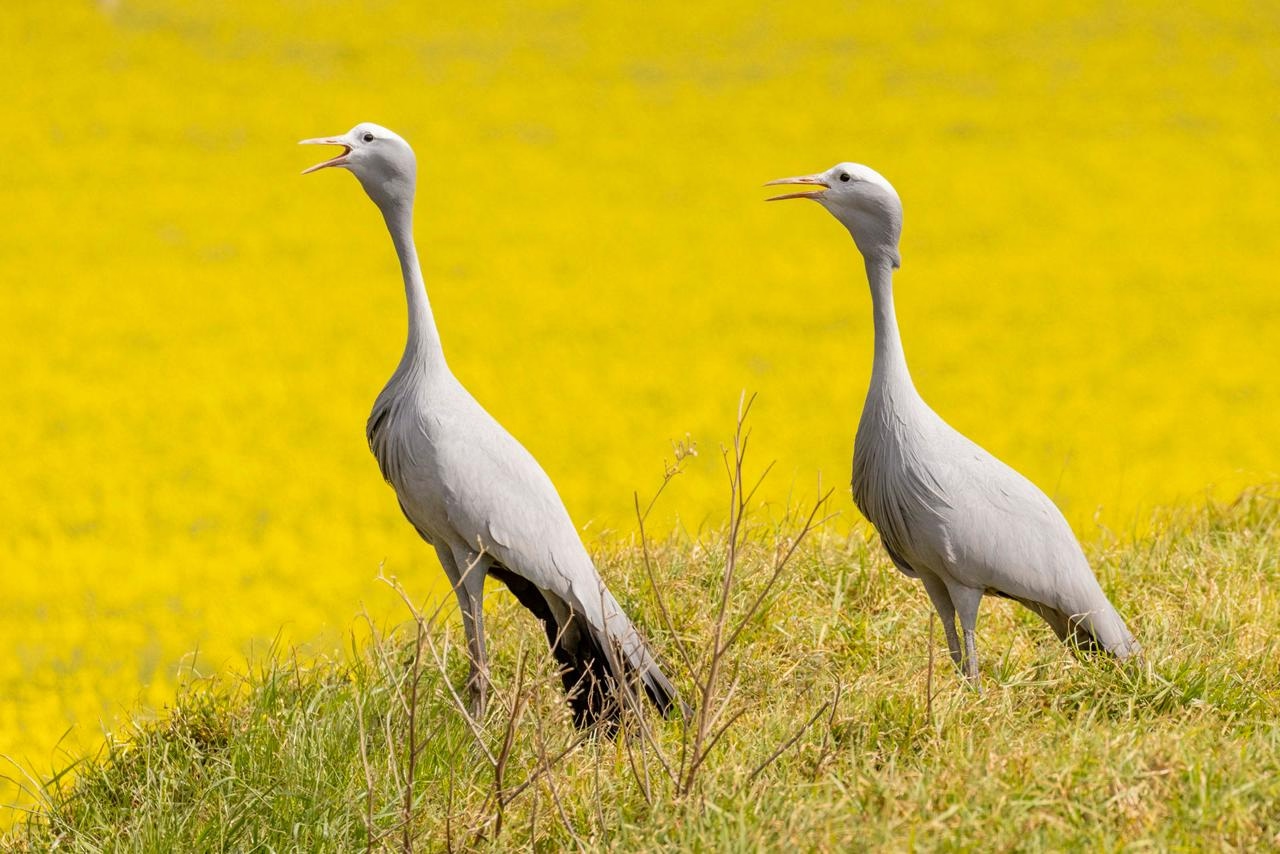
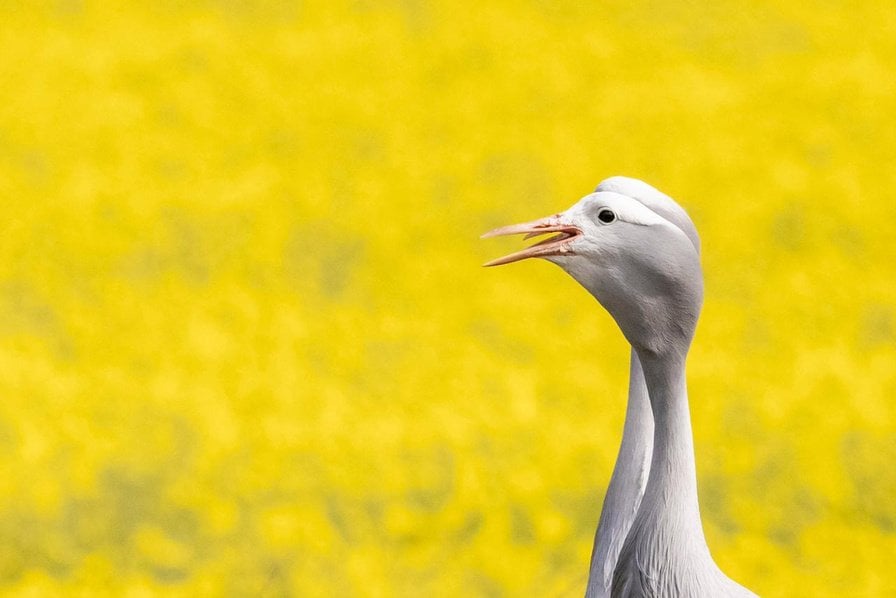
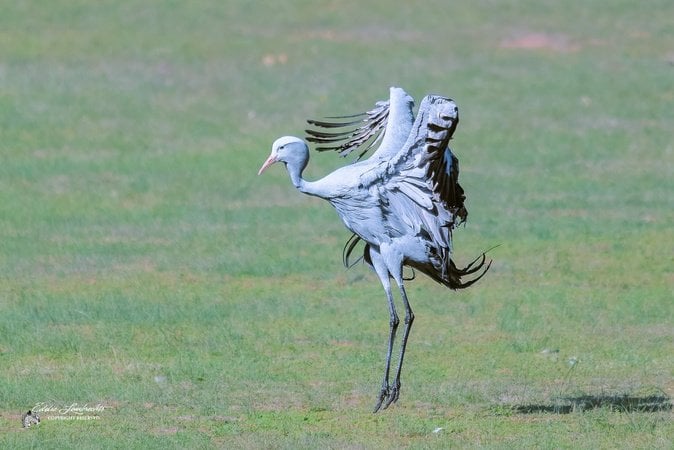
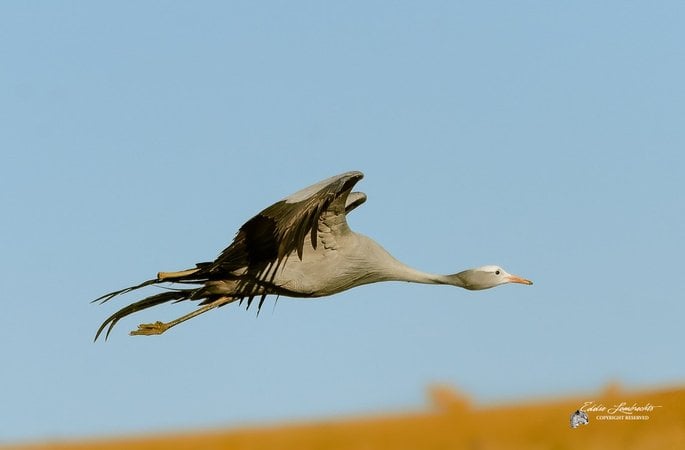
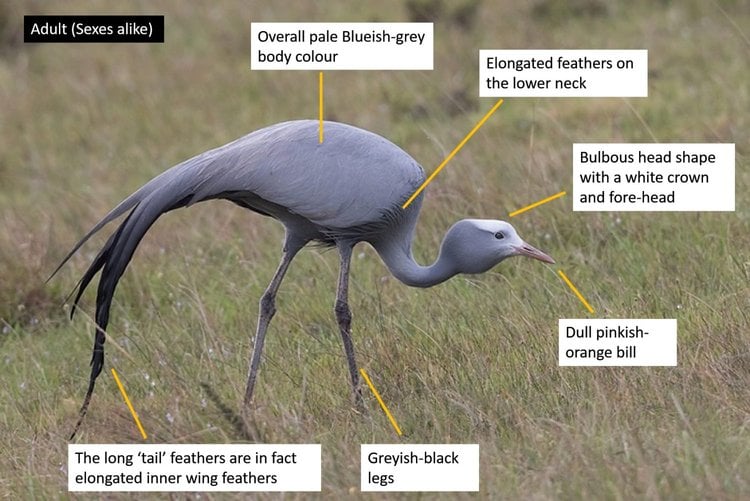
The Blue Crane (Anthropoides paradiseus), South Africa's national bird, is a graceful symbol of the country's open landscapes. The Overberg and surrounding Swellendam area form one of its most important strongholds, with large numbers seen in farmlands and pastures. Although once widespread across the grasslands and Karoo regions, Blue Crane numbers have been dropping sharply. According to long-term monitoring through the Coordinated Avifaunal Roadcounts (CAR) Project, the Overberg population has declined by over 40% in the past decade. This alarming trend led to the species being listed as Vulnerable in South Africa.
Threats to Blue Cranes
The main threats to Blue Cranes in this region include:
Power line collisions: one of the leading causes of injury and death.
Poisoning: sometimes accidental, through contaminated grain or rodenticides, and occasionally deliberate.
Habitat change: increasing agricultural intensification and the loss of natural grasslands reduce safe breeding and feeding areas.
Fence entanglement: a danger particularly to young, flightless chicks.
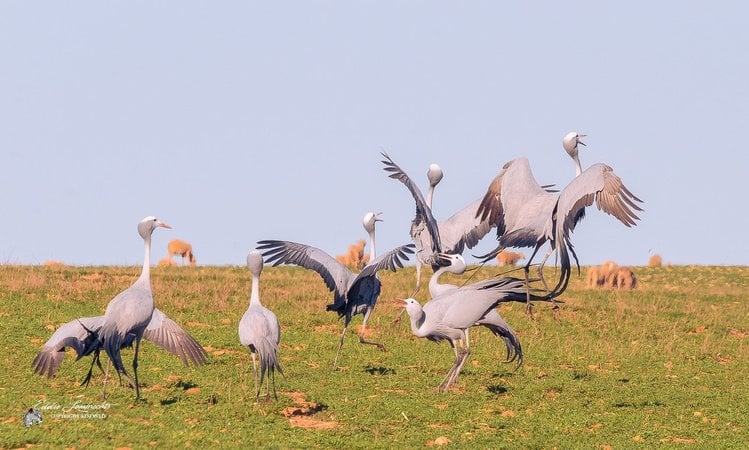
In the Overberg, most Blue Cranes breed in pastures and mixed farmlands, often preferring fields with short grass where they can see predators easily. Research has shown that nesting success is higher in these areas than in cereal crops. Outside the breeding season, cranes often gather in groups to feed and roost, taking advantage of the region's open spaces and dams.
Conservation Efforts
The Endangered Wildlife Trust (EWT) and partners have worked for years to protect South Africa's Blue Cranes.
Their efforts include:
Marking power lines to reduce collisions.
Supporting landowners to manage safe habitats on working farms.
Running awareness campaigns and rehabilitation programs for injured cranes.
A dedicated Blue Crane rehabilitation facility in the Overberg helps treat birds injured through collisions or other accidents, giving them a second chance at life in the wild.
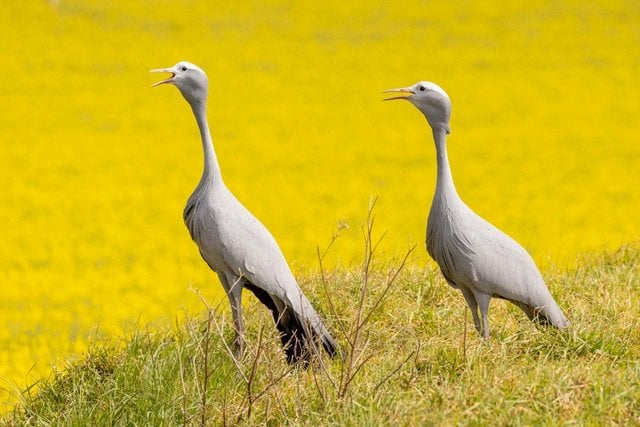
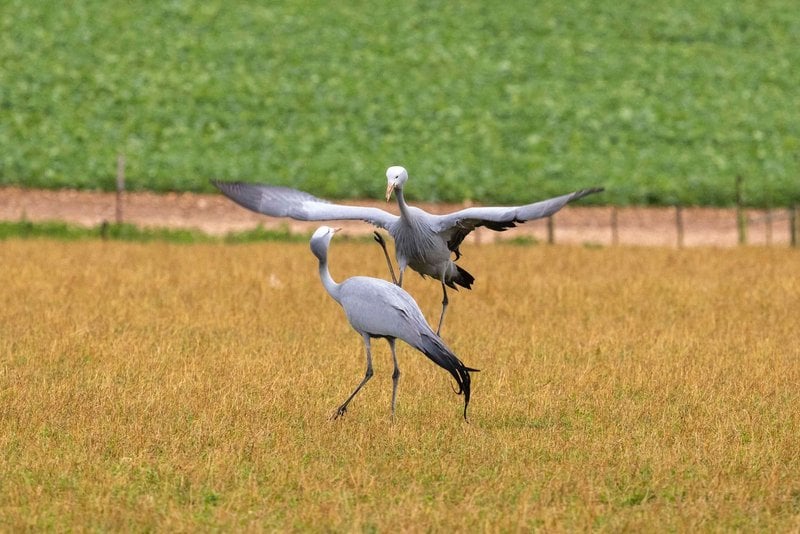
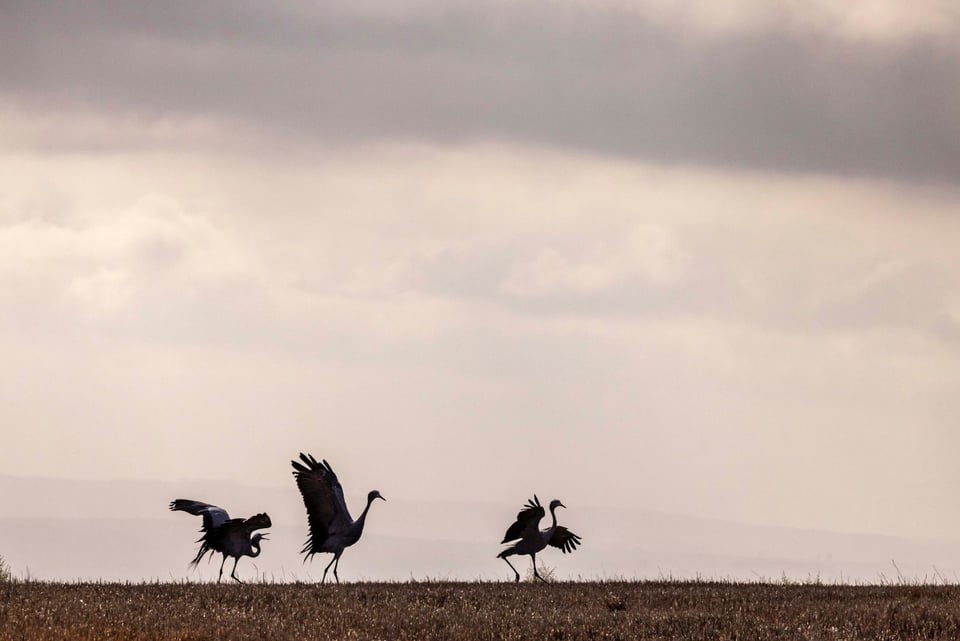
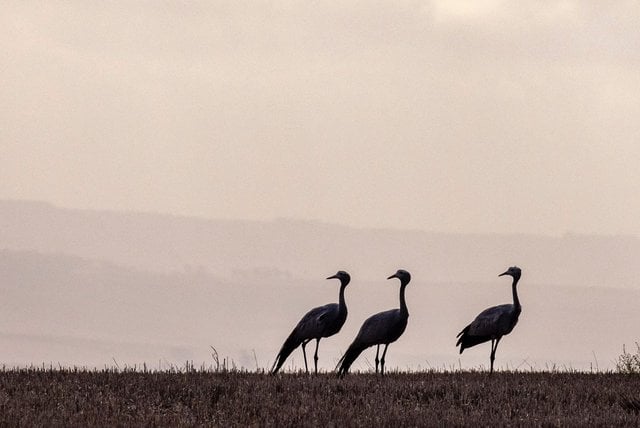
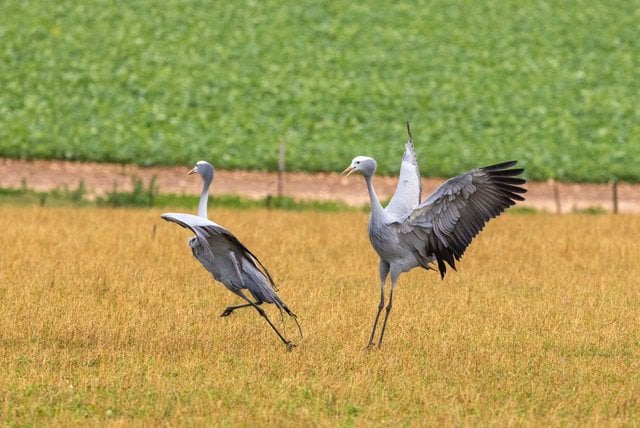
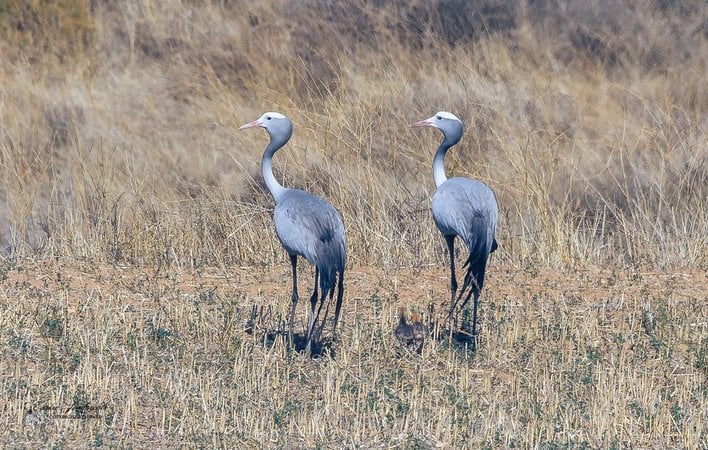
Can you spot the chicks?
Blue Cranes typically lay two eggs, but usually only one chick survives. The second chick, known as the "insurance egg," often does not make it, which is a natural strategy among cranes to ensure at least one strong fledgling.
Ways to Contribute to Blue Crane Conservation
Everyone can play a part in protecting these remarkable birds:
Report injured or dead cranes to the EWT Crane Conservation Team
DO NOT attempt to handle injured or sick birds alone!
Monitor them and provide shade until someone arrives to assist.
Avoid using harmful poisons or pesticides that may contaminate the environment.
Support farmers and conservation groups working to create safer landscapes for cranes.
The Blue Crane's presence across the rolling fields of Swellendam and the Overberg is a reminder of how connected farming and nature truly are.
With community awareness and ongoing conservation work, we can help ensure that this elegant bird continues to thrive in our region.
Written by: Natalie Garlick
Photos by Dirk Uys and Eddie Lamprecht
Hero photo: Dirk Uys
Photo number 5: Posted on 08/04/2024 by Ryan Tippett Copied from: https://thebdi.org/